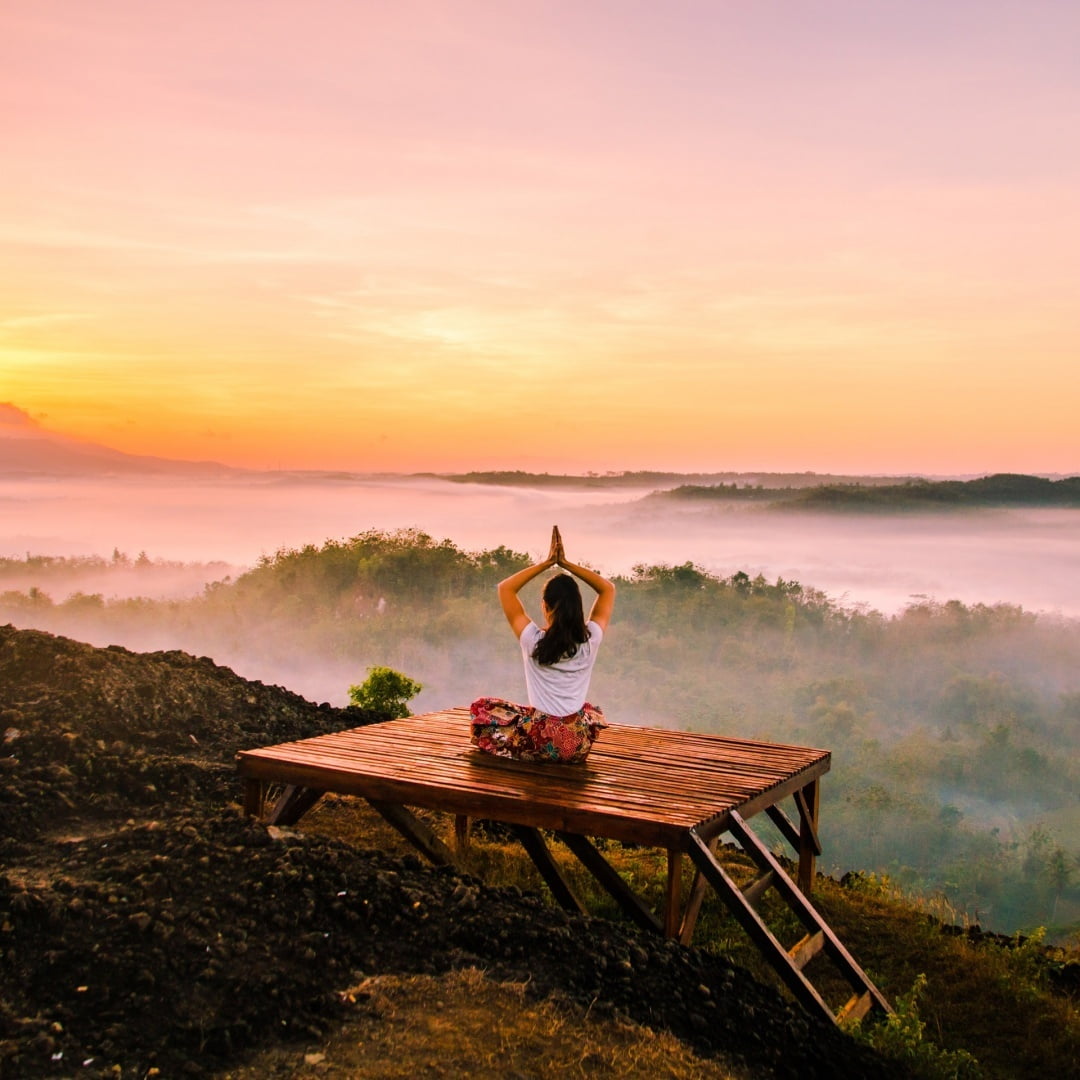

Vipassana Meditation is one of the most ancient and transformative forms of meditation. Rooted in early Buddhist teachings, Vipassana—meaning “to see things as they really are”—is a technique of insight meditation that aims to cultivate deep awareness of the body, mind, and ultimately, the true nature of reality. Unlike concentration-based practices that aim to quiet the mind, Vipassana invites the practitioner to observe reality with clarity and equanimity, leading to insight, wisdom, and liberation from suffering.
What is Vipassana Meditation?
Vipassana is a Pāli word that translates to “clear seeing” or “insight.” It is a meditative practice aimed at developing insight into the impermanent, unsatisfactory, and selfless nature of all phenomena.
Unlike other forms of meditation that focus on mantra repetition, visualization, or relaxation, Vipassana encourages practitioners to directly observe bodily sensations, thoughts, emotions, and mental patterns systematically. This deep observation reveals the underlying truths of impermanence (anicca), suffering (dukkha), and non-self (anatta) the three marks of existence in Buddhist philosophy.
Vipassana is one of the traditional Buddhist meditation techniques that emphasizes mindful observation, equanimity, and direct insight into the nature of the mind and body.
Among the many types of meditation, Vipassana stands out for its emphasis on observing bodily sensations, thoughts, and emotions with clarity and equanimity.
History of Vipassana Meditation:
Vipassana meditation originates from the teachings of Gautama Buddha over 2,500 years ago. It is said to be the Vipassana meditation technique through which the Buddha himself attained enlightenment.
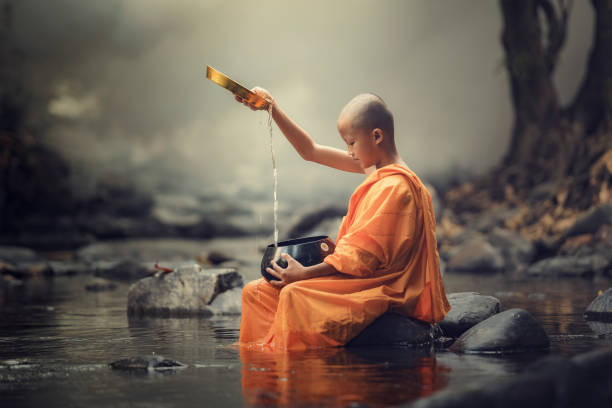
While the practice was preserved through centuries of Buddhist monastic tradition, especially in countries like Myanmar (Burma), Sri Lanka, and Thailand, it gained international recognition in the 20th century through modern teachers.
Today, Vipassana is widely practiced by Buddhists and non-Buddhists alike for its psychological, emotional, and spiritual benefits.
The Philosophy Behind Vipassana:
Vipassana is based on the Buddhist meditation Vipassana of the Four Noble Truths and the Eightfold Path, particularly the practice of Right Mindfulness (sammā-sati) and Right Concentration (sammā-samādhi).
It aims to provide insight into:
1. Anicca – Impermanence:
All phenomena, whether physical or mental, are in constant flux. Observing this directly weakens attachment and aversion.
2. Dukkha – Suffering or Unsatisfactoriness:
Because things are impermanent, clinging to them leads to suffering. Insight into this helps reduce reactivity and dissatisfaction.
3. Anatta – Non-self:
There is no unchanging self behind our thoughts, emotions, or sensations. Recognizing this leads to liberation from ego-based suffering.

How to Practice Vipassana Meditation:
See below for how to practice Vipassana meditation.
Step 1:
- Find a quiet space where you can sit without disturbance.
- Wear comfortable clothing.
- Allocate time: start with 10–20 minutes and increase gradually.
Step 2:
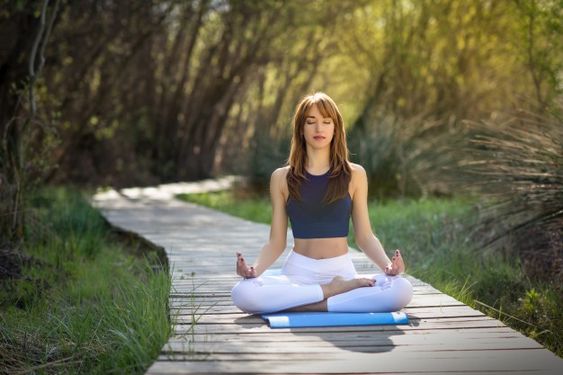
- Sit in a comfortable yet upright position (cross-legged or on a chair).
- Keep the spine straight but relaxed.
- Close your eyes gently.
Step 3:
Before diving into Vipassana, it’s common to begin with Anapana, observing the natural breath at the nostrils. This anchors the mind and develops initial concentration.
- Focus on the sensation of air entering and exiting the nostrils.
- If the mind wanders, gently bring it back.
Step 4:
Once concentration is developed, shift to scanning the body systematically:
- Start at the top of the head.
- Observe sensations (tingling, warmth, itching, pain, pressure) without reacting.
- Slowly move your attention downward, scanning each body part.
- Notice every sensation—pleasant, unpleasant, or neutral—with equanimity.
- Do not label or analyze sensations. Simply observe.
Step 5:
- Maintain awareness (sati) of each sensation.
- Cultivate equanimity (upekkha)—a non-reactive, balanced attitude.
- Avoid craving pleasant sensations or resisting unpleasant ones.
- Let sensations arise and pass on their own.
Step 6:
- After completing a full body scan, return to the breath.
- Take a moment to reflect on your experience.
- End with a moment of metta (loving-kindness) for yourself and others.
Advantages of Vipassana Meditation:
Regular Vipassana practice can lead to a wide range of benefits across physical, emotional, mental, and spiritual dimensions. So, see below the benefits of Vipassana meditation.
1. Mental Clarity and Calmness:
By observing the mind without reacting, thoughts become clearer, and mental clutter begins to settle.
2. Reduced Stress and Anxiety:
Recognizing the impermanence of emotions and sensations reduces fear, anxiety, and overthinking.
3. Improved Emotional Regulation:
You learn to witness emotions like anger, sadness, or desire without being overwhelmed by them.
4. Deep Insight and Wisdom:
Vipassana allows you to experience the truth of impermanence and non-self directly—not just intellectually.
5. Increased Patience and Tolerance:
Practicing equanimity helps you respond to life’s challenges with greater composure. This is one of the Vipassana benefits.
6. Spiritual Awakening:
Many long-term practitioners report profound spiritual shifts, including experiences of non-duality, ego dissolution, and a deep sense of peace.
Common Challenges and How to Overcome Them:
The common challenges of doing Vipassana meditation and ways to overcome them are…
1. Restlessness:
The body or mind may feel agitated. Focus on the breath or return to smaller body parts to steady attention.
2. Boredom or Dullness:
These are mental habits. Gently re-engage with curiosity and deepen your awareness of subtle sensations.
3. Pain or Discomfort:
Observe pain objectively as a changing sensation. Avoid reacting or shifting immediately—this builds equanimity.
4. Sleepiness:
Maintain an upright posture. Try opening your eyes slightly or taking deeper breaths.
5. Over-analysis:
Vipassana is not about thinking or philosophizing. Return to the felt experience in the body.
Tips for a Successful Practice:
- Start small: Even 10 minutes a day can be powerful if consistent.
- Be patient: Insight takes time; results are gradual and cumulative.
- Don’t chase experiences: Stay with the process; breakthroughs happen naturally.
- Integrate into daily life: Mindfulness in walking, eating, or working can deepen your Vipassana practice.
- Consider a retreat: A 10-day retreat can deepen your practice significantly.
Conclusion:
Vipassana meditation is a deeply transformative practice rooted in ancient wisdom. By observing your inner world with clarity and equanimity, you develop insight into the fundamental truths of existence—impermanence, suffering, and non-self. This leads not only to greater peace and well-being in daily life but also to profound spiritual realization.
Whether you’re a beginner looking to manage stress or a seeker aiming for deeper self-understanding, Vipassana offers a clear, practical path toward freedom and awakening. All it takes is the willingness to sit, observe, and see clearly.