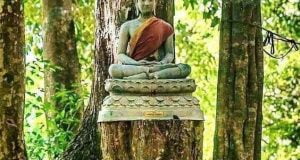

Every new day brings new types of yoga and meditation practices. One such meditation is white Skeleton Meditation. With Dr. Setareh Moafi’s Guidance and Shakyamuni Buddha’s teachings, the White Skeleton Meditation cleanses our body’s darkest form of the bones Yin, which echoes with our Kidney’s core, recognized as Jing. When we practice this meditation regularly, this deeply calming earliest Daoist meditation purifies our body and mind. So, let’s now know in detail about the White Skeleton Meditation.
Among the many types of meditation, White Skeleton Meditation offers a distinctive contemplative approach that uses visualization to deepen awareness of impermanence and the nature of the body.
What Is White Skeleton Meditation & Its Origin?

The white skeleton meditation in Tibetan Buddhism and in other civilizations of Buddhism is a procedure of accepting death and ephemerality. This meditation practice is deep for humanizing a profound sense of vitality and groundedness, as well as calmness within yourself. For people who love anatomy, for them, it’s a focus meditation.
This meditation has helped people’s mind chatter, and let’s go over the pictures. It’s also a boundless way of bringing our soul body into line to appear in the Third dimension. One should be cautious in this reflection to picture with exactness.
White Skeleton Meditation is one of the Buddhist meditation techniques that uses contemplation of the body and impermanence to develop greater awareness, concentration, and insight.
I don’t suggest it for everybody with any hypersensitive, bipolar-related issues, or late injury, except if they have great help, for the Kundalini energy does rise and issues do approach from the tissue.
Step-By-Step Guide To Do White Skeleton Meditation
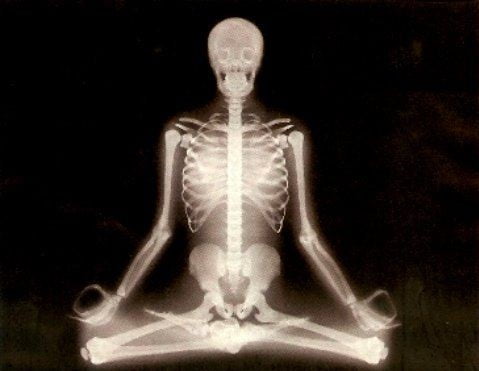
- Sit down in your typical meditation skeleton pose
- Fix your back tenderly as though stacking one vertebra on top of the other
- Loosen up your shoulders and keep your head equitably adjusted, and fold your jaw somewhat inwards
- Allow your tongue to contact the sense of taste
- Loosen up your face
- Close your eyes
- Discuss the name of every one of the 32 body parts* verbally and afterward quietly
- Notice the tone, shape, area, bearing, and cutoff points of each part
- Think about the capacity performed by each for a couple of seconds
- Be aware of any impressions that emerge inside the body
- Additionally, be aware of all things considered and feelings emerging while at the same time focusing on each part
- On schedule, as your training extends, you will see the parts separating into the essential components of robustness (earth), liquidity (water), movement (air), and temperature (fire)
- Think about this disclosure of the ephemeral idea of the body and brain
- End the meditation by stretching out cherishing thoughtfulness to your body, understanding that it is the solitary vehicle available to carry you on your spiritual way
NOTE:
White skeleton meditation frees you of your connection to the body and of your wrong perspective on oneself. It is a counteractant to desire and hoodwinked conduct and can launch you on your way to Nirvana.
How Does White Skeleton Meditation Benefit?
White skeleton meditation frames a little piece of a lovely, broad arrangement of Buddhist meditations.
White Skeleton Meditation is a traditional Buddhist contemplation practice in which a practitioner visualizes the body as a clean white skeleton. It is often used to develop insight into impermanence, reduce attachment to physical appearance, and cultivate mental clarity.
1. Reduces Attachment to Physical Appearance:
Visualizing the body as a skeleton can help weaken excessive concern with beauty, attractiveness, aging, or bodily identity. Practitioners may develop a more balanced perspective toward their own body and the bodies of others.
2. Cultivates Awareness of Impermanence:
The practice reminds practitioners that the body is temporary and subject to aging, illness, and death. This contemplation can deepen understanding of the Buddhist principle of impermanence.
3. Strengthens Concentration:
Maintaining a clear and stable image of the skeleton requires sustained attention. Over time, this can improve focus, mental stability, and meditative absorption.
4. Reduces Desire and Craving:
In traditional Buddhist teachings, skeleton meditation is sometimes used to counter excessive sensual desire by encouraging a deeper understanding of the body’s underlying structure rather than its outward appearance.
5. Encourages Detachment from Ego:
By contemplating the body as a collection of bones rather than a fixed “self,” practitioners may experience reduced self-centered thinking and a greater sense of perspective.
6. Develops Equanimity:
Regular practice can help cultivate a calm and balanced attitude toward physical changes, aging, and mortality, reducing fear and emotional reactivity.
7. Enhances Insight Meditation:
The practice can support insight into concepts such as non-self, impermanence, and the conditioned nature of the body, which are important themes in many Buddhist meditation traditions.
8. Can Reduce Fear of Death:
For some practitioners, repeatedly contemplating the body’s impermanent nature can make thoughts about death less intimidating and encourage acceptance of life’s natural processes.
9. Promotes Mental Clarity:
The simplicity of focusing on the skeletal structure may reduce mental distractions and support a clearer, more disciplined mind.
10. Supports Mindfulness in Daily Life:
The insights gained during meditation can carry into everyday situations, helping practitioners respond more thoughtfully to concerns about appearance, status, aging, and bodily discomfort.
Conclusion:
White Skeleton Meditation is a powerful contemplative practice that fosters concentration, detachment, and insight. By reflecting on the body’s impermanent nature, practitioners can reduce attachment, cultivate equanimity, and develop a deeper understanding of themselves. With regular practice and proper guidance, it can support lasting mental clarity and spiritual growth.
FAQs:
Q. What is White Skeleton Meditation?
A. White Skeleton Meditation is a contemplative practice in which practitioners visualize their body as a clean white skeleton to develop concentration, insight, and awareness of impermanence.
Q. What is the main purpose of this meditation?
A. Its primary purpose is to reduce attachment to the physical body, strengthen focus, and cultivate wisdom regarding the transient nature of life.
Q. Is White Skeleton Meditation a Buddhist practice?
A. Yes. It originates from traditional Buddhist meditation teachings, particularly practices related to mindfulness of the body and contemplation of impermanence.
Q. Can beginners practice White Skeleton Meditation?
A. Beginners can practice it, but it is often helpful to learn from an experienced meditation teacher to ensure proper understanding and technique.
Q. How does this meditation improve concentration?
A. Maintaining a detailed mental image of a white skeleton requires sustained attention, which helps train and strengthen the mind’s focus.
Q. Can White Skeleton Meditation reduce stress?
A. Yes. Encouraging detachment from worries about appearance, aging, and physical concerns, it may help promote calmness and emotional balance.
Q. Does this practice help overcome fear of death?
A. Many practitioners find that regularly contemplating impermanence reduces anxiety about mortality and fosters greater acceptance of life’s natural cycles.
Q. How long should I practice each session?
A. Beginners may start with 10-15 minutes per session and gradually increase the duration as their concentration and comfort with the practice improve.
Q. Are there any risks associated with this meditation?
A. Some individuals may find the contemplation of death or bodily impermanence emotionally challenging. Practicing under guidance can help address any difficulties.
Q. How often should I practice for the best results?
A. Consistent practice, whether daily or several times a week, is generally more beneficial than occasional longer sessions. Regularity helps deepen concentration and insight.