

Heartfulness Meditation is a smooth and subtle method of meditation. This method is based on transmission (Pranahuti). Heartfulness spiritual institution has thousands of centers all over the world. It has 25 centers in Lucknow itself. There is no charge of any kind for meditation in Heartfulness. This particular method of meditation focuses on the mind.
Meditation is very important in life. The very simple technique of meditation is Heartfulness. In today’s stressful life, it should be used for a balanced life. In more than 130 countries of the world, millions of people are practicing Heartfulness Meditation, which is completely free.
In the Heartfulness Meditation program, children aged between 5 to 15 years demonstrated the technique of brain exercise, in which these children tied the black bandage in the eyes using their senses such as ears, nose, and skin to tell the color of various objects.
NOTE:
It is an effort that was made to connect the mind and heart through Heartfulness meditation. This causes the thoughts coming to the mind to slowly reduce and the mind experiences peace.
What Is Heartfulness Meditation?
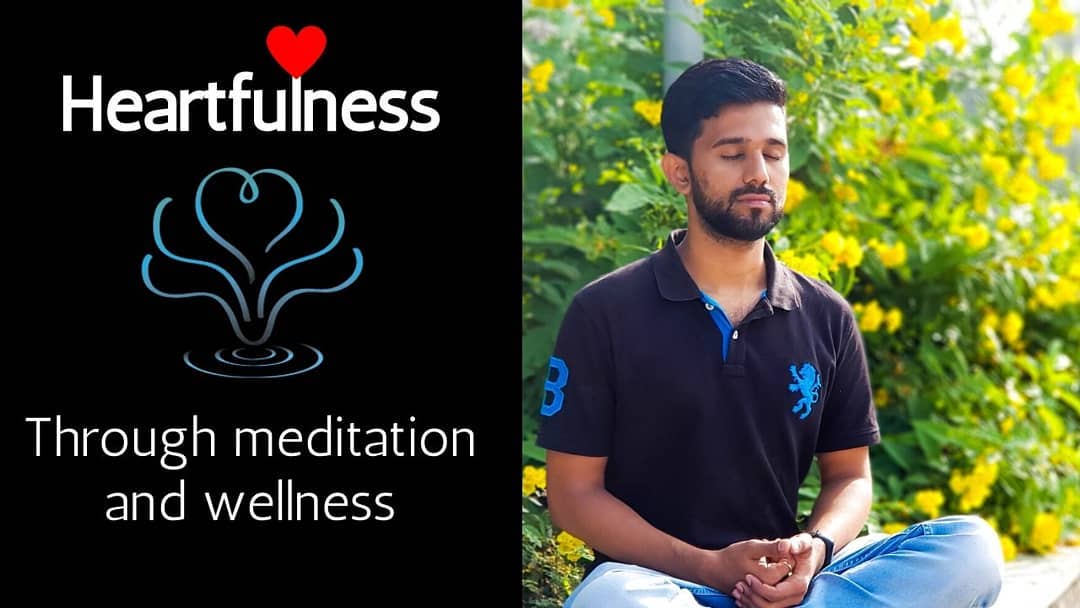
Meditation is a simple way to free your mind, by which you can forget your daily worries and focus on mental relaxation. To get into a contemplative state, we have to learn to be a passive observer of our thoughts. This does not mean that we go beyond thoughts or to force us to get rid of them.
Meditation is a process in which we focus our attention continuously on any one object for a very long time. This is a soft and subtle process in which there is no need to force any kind of force on your mind. As a result of this practice, your concentration and ability to concentrate are increased.
Like developing your remaining abilities, meditation also requires regular practice. There is a general confusion about meditation that it is very difficult, and requires many years of practice to get any results. This is absolutely untrue. Often, people have reported being benefiting from meditation immediately after the first session of their meditation. Only by trying a few steps can you start it today and experience it yourself.
Among the many types of meditation, Heartfulness meditation offers a heart-centered approach that emphasizes inner calm, emotional balance, self-awareness, and a deeper connection with the heart.
Heartfulness Meditation:
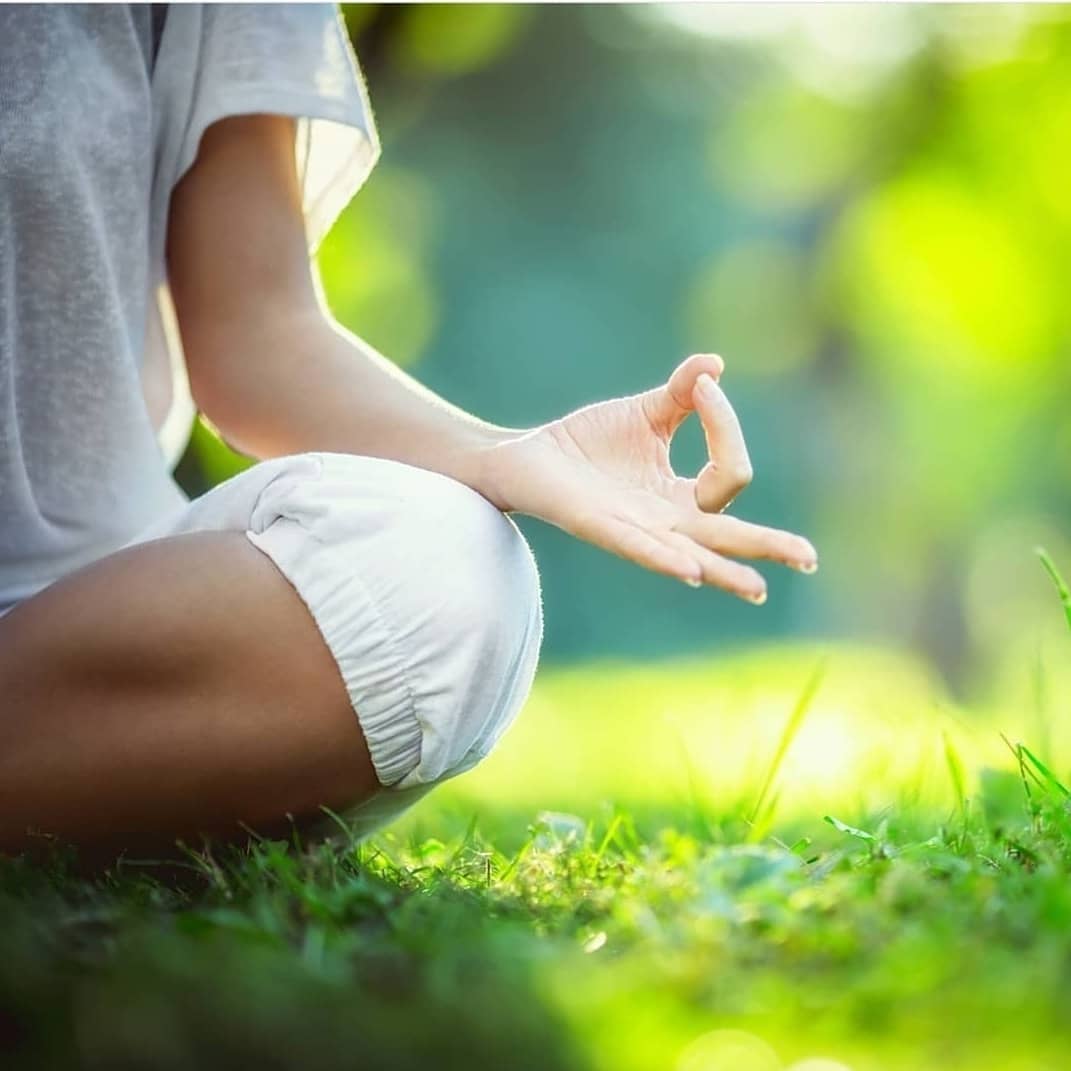
The practice of Heartfulness meditation is a method of meditation based on the heart. According to The Heartfulness Way, living is a process in itself.
Heartfulness meditation is the simplest technique of meditation with the help of Pranahuti (transmission). This method is suitable for easy inclusion in your day-to-day business, and it can be done at home at your convenience. You can test how suitable this technique is for you in 3 different ways.
Register for masterclasses of meditation, and enjoy 3 free sessions;
Download HeartsApp from here and get a session from our instructor;
Visit any heart spot here and find one of our Certified Heartfulness Instructors and contact them for a meditation session at a fixed time and place as per your convenience.
Learning to meditate has never been easier than this. Start and see for yourself!
How To Do Heartfulness Meditation:

To practice Heartfulness Meditation, it is not necessary to attend a program organized by the Heartfulness Meditation institution. For this, you can simply follow these steps. So, let’s now check out the easy steps to perform Heartfulness Meditation below:
For beginners, a few useful tips to meditate on:
- Choose a quiet place.
- Take a comfortable posture, close your eyes, and bring your attention to the heart.
- Start by suggesting that the source of light is present in my heart, and it is pulling you inwards
- Meditate for 10 minutes or until you are ready to come out of meditation.
- Repeat this process morning and evening, every day.
- By including this time of quiet meditation and thinking in your daily life, you can provide many mental and physical benefits.
Learning how to do Heartfulness meditation involves creating a quiet setting, focusing attention on the heart, and gently allowing the mind to settle through regular practice.
Benefits of Heartfulness Meditation Practice:
Generally, when we take time out of our busy day-to-day work, we spend it on our mobile or laptop. This way of resting is not only harmful to our eyes but also to our brains. Our mind is like a pendulum. It keeps swinging from one end to the other.
1. Enhances Mental Calmness:
Heartfulness Meditation helps quiet mental chatter and promotes a state of inner calm. Regular practice can make it easier to handle daily challenges with a balanced and peaceful mind.
2. Reduces Stress and Anxiety:
By focusing attention inward and relaxing the mind, Heartfulness Meditation can help reduce stress, anxiety, and emotional tension. Practitioners often experience a greater sense of relaxation and well-being.
3. Improves Emotional Balance:
The practice encourages emotional stability by helping individuals become more aware of their feelings and respond to situations with greater patience and understanding.
4. Strengthens Concentration:
Regular meditation trains the mind to remain focused on a single point of attention. This can improve concentration, productivity, and decision-making abilities in everyday life.
5. Promotes Better Sleep:
Heartfulness Meditation helps calm the nervous system and reduce mental restlessness, which may contribute to improved sleep quality and a more refreshed feeling upon waking.
6. Supports Heart-Centered Living:
The practice emphasizes connecting with the heart, encouraging qualities such as compassion, empathy, gratitude, and kindness toward oneself and others.
7. Increases Self-Awareness:
Through regular meditation, practitioners develop a deeper understanding of their thoughts, emotions, habits, and behaviors, leading to personal growth and self-improvement.
8. Enhances Emotional Resilience:
Heartfulness Meditation can help individuals recover more quickly from setbacks and emotional challenges by fostering inner strength and adaptability.
9. Improves Relationships:
As practitioners cultivate patience, empathy, and understanding, they often experience healthier and more meaningful relationships with family, friends, and colleagues.
10. Encourages Positive Thinking:
The practice helps reduce negative thought patterns and promotes a more optimistic outlook on life, contributing to greater happiness and emotional well-being.
11. Supports Physical Well-Being:
Meditation may contribute to lower stress-related physical symptoms, improved relaxation, and overall wellness by promoting harmony between the mind and body.
12. Develops Inner Peace:
Heartfulness Meditation encourages a deep sense of inner peace that extends beyond meditation sessions and influences daily activities and interactions.
13. Enhances Mindfulness:
Practitioners become more present and attentive to the current moment, allowing them to engage more fully with life and reduce unnecessary worry about the past or future.
14. Encourages Spiritual Growth:
For many individuals, Heartfulness Meditation serves as a path for inner transformation, helping them connect with deeper values, purpose, and spiritual awareness.
15. Improves Overall Quality of Life:
By fostering mental clarity, emotional balance, and inner harmony, Heartfulness Meditation can contribute to a healthier, happier, and more fulfilling life experience.
Conclusion:
Heartfulness Meditation is a holistic practice that nurtures the mind, emotions, and spirit. Through regular practice, individuals can experience greater calmness, improved focus, emotional resilience, and deeper inner peace. Its heart-centered approach supports personal growth, healthier relationships, and a more balanced and meaningful life.
FAQs:
Q. What is Heartfulness Meditation?
A. Heartfulness Meditation is a heart-centered meditation practice that helps individuals achieve inner calm, emotional balance, and self-awareness through gentle meditation and relaxation techniques.
Q. How is Heartfulness Meditation different from other meditation practices?
A. Heartfulness Meditation emphasizes focusing on the heart and cultivating inner connection, simplicity, and balance, while also incorporating relaxation and rejuvenation practices.
Q. Can beginners practice Heartfulness Meditation?
A. Yes. Heartfulness Meditation is suitable for beginners and does not require any prior meditation experience. The techniques are simple and easy to learn.
Q. How long should I meditate each day?
A. Beginners can start with 15–20 minutes daily and gradually increase the duration according to their comfort and experience.
Q. What are the main benefits of Heartfulness Meditation?
A. Some key benefits include reduced stress, improved concentration, emotional stability, better sleep, enhanced self-awareness, and a greater sense of inner peace.
Q. Does Heartfulness Meditation help with stress and anxiety?
A. Many practitioners report feeling calmer and more relaxed after meditation, which can help reduce stress and anxiety when practiced regularly.
Q. Do I need a special place to practice?
A. No. You can practice Heartfulness Meditation in any quiet and comfortable space where you can sit without distractions.
Q. Can Heartfulness Meditation improve relationships?
A. Yes. By fostering compassion, empathy, patience, and emotional balance, the practice can contribute to healthier and more positive relationships.
Q. Is Heartfulness Meditation associated with any religion?
A. Heartfulness Meditation is open to people of all backgrounds and beliefs. It focuses on personal development and inner well-being rather than religious affiliation.
Q. Can children and older adults practice Heartfulness Meditation?
A. Yes. The practice is generally suitable for people of all ages, including children, adults, and seniors.
Q. How soon can I experience benefits?
A. Some people notice relaxation and mental calmness after a few sessions, while deeper benefits such as improved focus and emotional resilience often develop through consistent practice.
Q. Can Heartfulness Meditation be practiced alongside other wellness activities?
A. Yes. It can complement activities such as yoga, mindfulness, exercise, and healthy lifestyle habits to support overall well-being.