
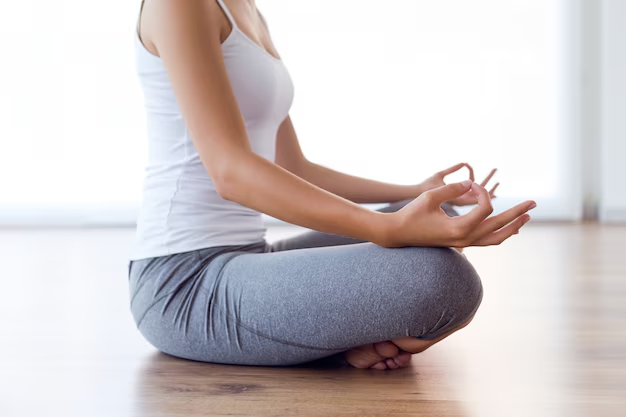
Polycystic Ovary Syndrome (PCOS) is a common hormonal disorder affecting millions of women worldwide. It is characterized by irregular menstrual cycles, weight gain, insulin resistance, and hormonal imbalances, often leading to fertility challenges and increased stress levels. While medical treatments and lifestyle changes play a significant role in managing PCOS, meditation is emerging as a powerful complementary tool to support hormonal balance, reduce stress, and improve overall well-being. So, see the meditation for PCOS.
The Connection Between Stress and PCOS:
Chronic stress can exacerbate PCOS symptoms by increasing cortisol levels, which, in turn, disrupts hormonal balance, worsens insulin resistance, and lead to increased inflammation. Since the mind and body are deeply connected, incorporating relaxation techniques like meditation can help mitigate stress-related hormonal imbalances. Meditation is also good for IBS.
Meditation for health conditions can be a valuable complementary practice, helping support stress management, emotional well-being, and a healthier mind-body connection alongside appropriate medical care.
How Does Meditation Help with PCOS?
Polycystic Ovary Syndrome (PCOS) is a common hormonal disorder that affects many women of reproductive age. It can lead to symptoms such as irregular periods, weight gain, acne, excessive hair growth, fertility challenges, and mood disturbances. While medical treatment, exercise, and a balanced diet play essential roles in managing PCOS, meditation has emerged as a valuable complementary practice. By promoting mental and physical well-being, meditation can help women cope with the various challenges associated with PCOS.
Reduces Stress and Cortisol Levels:
Stress is known to worsen PCOS symptoms. When the body experiences chronic stress, it produces higher levels of cortisol, often referred to as the “stress hormone.” Elevated cortisol can contribute to hormonal imbalances, weight gain, and insulin resistance, all of which are common concerns in PCOS.
Meditation helps calm the mind and activate the body’s relaxation response. Regular practice can lower cortisol levels, reducing the negative effects of stress on the endocrine system. As stress decreases, women may experience better hormonal balance and improved overall health.
Meditation for Hormonal Balance:
Hormonal imbalance is a defining characteristic of PCOS. Meditation may indirectly support hormone regulation by reducing stress and improving communication between the brain and the endocrine system. Research suggests that mindfulness practices can positively influence the body’s hormonal responses, helping to stabilize mood and improve physiological functioning.
Although meditation is not a cure for PCOS, it can contribute to a healthier hormonal environment when combined with proper medical care and lifestyle changes.
Improves Insulin Sensitivity:
Many women with PCOS struggle with insulin resistance, a condition in which the body’s cells do not respond effectively to insulin. This can lead to increased blood sugar levels and weight gain.
Meditation has been shown to improve metabolic health by reducing stress-related inflammation and encouraging healthier lifestyle habits. Lower stress levels may help improve insulin sensitivity, making it easier for the body to regulate blood sugar. Over time, this can support better management of PCOS symptoms.
Enhances Emotional Well-Being:
Living with PCOS can be emotionally challenging. Many women experience anxiety, depression, low self-esteem, and body image concerns due to the condition’s symptoms. Meditation encourages mindfulness and self-awareness, helping individuals manage negative thoughts and emotions more effectively.
Regular PCOS meditation practice can improve emotional resilience, reduce anxiety, and promote a sense of inner calm. This emotional support is particularly beneficial for women navigating the long-term challenges of PCOS.
Promotes Better Sleep:
Sleep disturbances are common among women with PCOS and can further aggravate hormonal imbalances and insulin resistance. Meditation helps relax the nervous system, making it easier to fall asleep and enjoy deeper, more restorative rest.
Improved sleep quality can positively affect energy levels, mood, metabolism, and overall health, all of which are important for managing PCOS.
Top and Best Meditation for PCOS:
Polycystic Ovary Syndrome (PCOS) is a hormonal disorder that affects millions of women worldwide. It can cause symptoms such as irregular menstrual cycles, weight gain, acne, fertility issues, anxiety, and mood swings. While medical treatments and lifestyle modifications are important for managing PCOS, meditation can serve as a powerful complementary practice. By reducing stress and promoting emotional balance, meditation may help improve overall well-being and support better management of PCOS symptoms. Here are some of the best meditation techniques for women with PCOS.
1. Mindfulness Meditation:
Mindfulness meditation is one of the most effective techniques for managing stress associated with PCOS. This practice involves focusing on the present moment without judgment. During mindfulness meditation, individuals pay attention to their breathing, bodily sensations, and thoughts while allowing distractions to pass naturally.
Regular mindfulness practice can reduce anxiety, lower stress hormone levels, and improve emotional resilience. Since chronic stress can worsen hormonal imbalances, mindfulness meditation may help create a healthier internal environment for women with PCOS.
2. Guided Meditation:
Guided meditation is an excellent option for beginners. In this practice, a teacher, app, or recorded audio leads participants through relaxation exercises, visualization techniques, and calming instructions.
Guided meditation helps reduce mental clutter and encourages deep relaxation. Women with PCOS who struggle with anxiety, sleep problems, or emotional stress may find guided sessions particularly beneficial. Even a 10- to 15-minute session each day can help promote a sense of calm and well-being.
3. Deep Breathing Meditation:
Deep breathing meditation focuses on slow, controlled breathing patterns that calm the nervous system. One common technique is diaphragmatic breathing, where individuals take deep breaths into the abdomen rather than shallow breaths into the chest.
This form of meditation helps reduce stress, improve oxygen flow, and lower cortisol levels. Since elevated stress hormones can contribute to insulin resistance and hormonal imbalances, deep breathing exercises may support better PCOS management when practiced regularly.
4. Loving-Kindness Meditation:
Loving-kindness meditation, also known as Metta meditation, involves directing positive thoughts and feelings toward oneself and others. Participants silently repeat phrases such as “May I be healthy,” “May I be happy,” and “May I be at peace.”
Women with PCOS often experience self-esteem challenges related to physical symptoms and fertility concerns. Loving-kindness meditation promotes self-compassion, emotional healing, and a more positive mindset. Over time, it can help reduce feelings of frustration and improve mental well-being.
5. Body Scan Meditation:
Body scan meditation encourages individuals to focus attention on different parts of the body, noticing sensations without judgment. Starting from the head and moving down to the toes, practitioners observe areas of tension and consciously relax them.
This technique helps increase body awareness and reduce physical stress. For women with PCOS, body scan meditation can promote relaxation, improve sleep quality, and foster a stronger connection with their bodies.
6. Yoga Meditation:
Yoga meditation combines mindful movement, breathing exercises, and meditation. Gentle yoga practices can help reduce stress, improve flexibility, and support hormonal health. Poses combined with focused breathing encourage relaxation and mindfulness.
Many women with PCOS find yoga meditation beneficial because it addresses both physical and emotional aspects of the condition. It can also complement other healthy lifestyle habits such as regular exercise and balanced nutrition.
How to Get Started with Meditation for PCOS:
- Find a Quiet Space: Choose a comfortable, peaceful environment.
- Start with 5–10 Minutes a Day: Gradually increase the duration as you build consistency.
- Focus on Your Breath: Deep, slow breathing helps calm the nervous system.
- Use Meditation Apps: Platforms like Calm, Insight Timer, and Headspace offer guided meditations tailored to stress relief and hormonal balance.
- Practice Consistently: Regular meditation leads to long-term benefits in managing PCOS symptoms.
Conclusion:
Meditation is a natural and effective way to manage PCOS by reducing stress, improving hormonal balance, and enhancing overall well-being. When combined with a healthy diet, exercise, and medical guidance, meditation can be a valuable tool for women with PCOS looking to regain control over their health and lead a more balanced life.
FAQ:
Q. Can meditation improve my hormone balance with PCOS?
A. Meditation can indirectly meditation hormone balance by reducing stress and improving sleep. Chronic stress can elevate cortisol levels, which can disrupt other hormones like insulin and estrogen. Regular meditation practices can help lower cortisol, potentially improving overall hormonal health.
Q. Can yoga and meditation together help with PCOS?
A. Yes, yoga combined with meditation can be especially beneficial for PCOS. Certain yoga postures (like those that improve circulation to the pelvic area) may support hormonal balance, while meditation calms the mind and reduces stress. Together, they can help with both physical symptoms and emotional well-being.
Q. Is there any research supporting meditation for PCOS?
A. Yes, research has shown that mindfulness practices like meditation can reduce stress and improve symptoms related to PCOS, including hormonal imbalances and psychological stress. Studies suggest that regular meditation can help lower cortisol levels, improve insulin resistance, and reduce anxiety and depression.
Q. How can meditation help with PCOS?
A. Meditation helps manage stress, reduce anxiety, and improve emotional well-being, all of which are important for managing PCOS. Stress can trigger hormone imbalances and worsen symptoms like weight gain, irregular periods, and mood swings. Meditation helps activate the body’s relaxation response, balance hormones, and improve mental clarity.
Q. Can meditation help with PCOS-related anxiety or depression?
A. Yes, meditation has been shown to reduce symptoms of anxiety and depression. By practicing meditation regularly, you can cultivate calm, reduce negative thinking patterns, and improve emotional regulation, which can be particularly useful for those who experience mood swings or depression due to PCOS.