Meditation has been shown to be beneficial for various health issues, both mental and physical. Meditation has profound effects on both mental and physical health. What healing meditation is can be understood as a mindful practice that uses relaxation, focused awareness, breathing, and visualization to support emotional balance, reduce stress, and promote overall well-being. It promotes relaxation, enhances self-awareness, and supports overall well-being. Here are some meditation for health issues. See these below…
Meditation for Health Issues:
Meditation is a powerful tool that can help manage and improve various physical and mental health conditions. Here’s how meditation can be beneficial for different health issues, along with recommended techniques:
1. Stress & Anxiety:
Meditation reduces cortisol (stress hormone) levels, promoting relaxation and emotional balance. It activates the parasympathetic nervous system, promoting relaxation and reducing PTSD. It also increases GABA and serotonin, which improve mood and calmness. It helps in social anxiety and reduce stress with sleep meditation.
Meditation for health anxiety can help calm racing thoughts, reduce stress, and encourage a more balanced response to worries about health and physical symptoms.
Meditation for sleep and anxiety can help calm the mind, reduce anxious thoughts, and create a more relaxed state that supports deeper, more restful sleep.
Meditation for panic attacks can help calm the nervous system, slow racing thoughts, and promote a greater sense of control during periods of intense anxiety.
Understanding how meditation reduces stress can help explain why regular practice lowers stress responses, promotes relaxation, and supports better emotional balance.
Best Meditation Practice:
- Mindfulness Meditation
- Deep Breathing
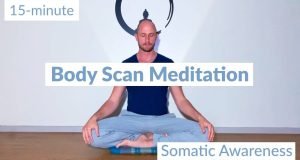
- Body Scan Meditation
2. Depression:
Helps by improving mood, increasing serotonin levels, and reducing negative thought patterns. Enhances brain function by strengthening the prefrontal cortex (responsible for emotional regulation). Increases dopamine and serotonin, reducing symptoms of depression. Helps individuals manage negative thoughts and emotional trauma. This is how meditation helps in panic attack relief and trauma.
Meditation for trauma can help promote emotional regulation, reduce stress, and create a greater sense of calm and safety when practiced consistently.
Meditation for PTSD may help reduce stress, promote emotional regulation, and support a greater sense of calm and grounding when used alongside appropriate professional care.
Best Meditation Practice:
- Loving-kindness meditation (Metta)
- Guided imagery
3. High Blood Pressure (Hypertension):
Encourages relaxation and lowers blood pressure by reducing stress and enhancing heart health. Reduces strain on the heart by relaxing blood vessels and improving circulation. Lowers blood pressure and heart rate, reducing the risk of hypertension & stroke.
Best Meditation Practice:
- Transcendental meditation
- Slow breathing techniques
4. Chronic Pain:
Alters the brain’s perception of chronic pain, improving pain tolerance and reducing discomfort. Changes the brain’s perception of pain by activating pain-modulating centers. Reduces inflammation and muscle tension, helping conditions like arthritis, migraines, and fibromyalgia.
Meditation for chronic pain can help reduce the perception of discomfort, ease stress and muscle tension, and support better emotional well-being alongside other pain-management approaches.
Meditation for autoimmune disorders may help reduce stress, support emotional well-being, and promote relaxation as part of a broader approach to managing chronic health conditions.
Best Meditation Practice:
- Mindfulness-based stress reduction (MBSR)
- Body scan meditation
5. Insomnia & Sleep Disorders:
Calms the nervous system, helping to improve sleep quality and reduce racing thoughts. Calms the nervous system, slowing down racing thoughts that interfere with sleep. Increases melatonin production, helping regulate sleep cycles.
Best Meditation Practice:
- Yoga Nidra
- Guided sleep meditation
- Progressive muscle relaxation
6. Heart Disease:
Reduces inflammation, improves heart rate variability, and supports cardiovascular health. Promotes self-awareness, emotional intelligence, and positive thinking. Activates the brain’s reward system, making people feel more fulfilled.
Best Meditation Practice:
- Loving-kindness meditation
- Deep breathing exercises
7. Irritable Bowel Syndrome (IBS) & Digestive Issues:
Lowers stress and helps regulate gut function through the mind-gut connection. Reduces gut-related stress, which is a major trigger for digestive issues. Improves the gut-brain connection, promoting balanced digestion. That is how meditation for IBS.
Best Meditation Practice:
- Breath-focused meditation
- Mindful eating
8. Addiction & Substance Abuse:
Strengthens self-control, reduces cravings, and helps manage withdrawal symptoms. Strengthens self-discipline, reducing cravings for substances (alcohol, nicotine, drugs). Helps manage withdrawal symptoms and emotional distress.
Best Meditation Practice:
- Mindfulness meditation
- Mantra meditation.
9. Cognitive Decline & Memory Issues:
Enhances focus, sharpens memory, and slows cognitive aging. Increases gray matter in the brain, improving cognitive function and memory. Enhances focus and reduces age-related memory decline.
Understanding how meditation changes the brain can help explain why regular practice may strengthen areas involved in attention, emotional regulation, stress management, and overall mental well-being.
Best Meditation Practice:
- Focused attention meditation
- Visualization exercises
10. Strengthen Immune System:
Lowers inflammatory markers (CRP, IL-6), reducing the risk of autoimmune diseases. Enhances white blood cell activity, strengthening the immune response. Meditation is also helpful for PCOS.
- Lowers inflammation
- Increases white blood cell activity
- Promotes overall immunity.
Best Meditation Practice:
- Loving-kindness meditation
- Gratitude meditation
Final Thoughts:
Meditation is a natural and effective way to heal the body and mind and . Regular practice can improve overall health, reduce the risk of chronic diseases, autoimmune disorders, cancer, dissociation and enhance quality of life.
FAQ on Meditation for Health Issues:
Here are some frequently asked questions about meditation for health issues:
Q. Can meditation help reduce stress and anxiety?
A. Yes! Meditation lowers cortisol (stress hormone) levels, calms the nervous system, and promotes relaxation.
Q. How does meditation improve sleep and treat insomnia?
A. Meditation helps relax the mind, increases melatonin production, and reduces overthinking, leading to better sleep.
Q. Can meditation lower blood pressure?
A. Yes! Meditation improves heart rate variability and reduces hypertension by promoting deep relaxation.
Q. How does meditation help with depression?
A. Meditation increases dopamine and serotonin (happiness chemicals) while reducing negative thought patterns.
Q. Can meditation help with chronic pain and inflammation?
A. Yes! Meditation changes how the brain perceives pain, reducing discomfort and inflammation.
Q. How does meditation boost immunity?
A. Meditation lowers inflammatory markers and strengthens the immune system by reducing stress and improving white blood cell function.
Q. Is meditation useful for digestive problems like IBS or acid reflux?
A. Yes! Meditation activates the gut-brain connection, reducing stress-related digestive issues.
Q. Can meditation help with memory and cognitive decline?
A. Absolutely! Meditation improves focus, increases gray matter in the brain, and slows aging-related cognitive decline.
Q. Does meditation help with addiction recovery?
A. Yes! Meditation strengthens self-control, reduces cravings, and helps with withdrawal symptoms.
Q. How long should I meditate for health benefits?
A. Even 5–10 minutes a day can make a difference, but 20–30 minutes daily offers deeper benefits.