
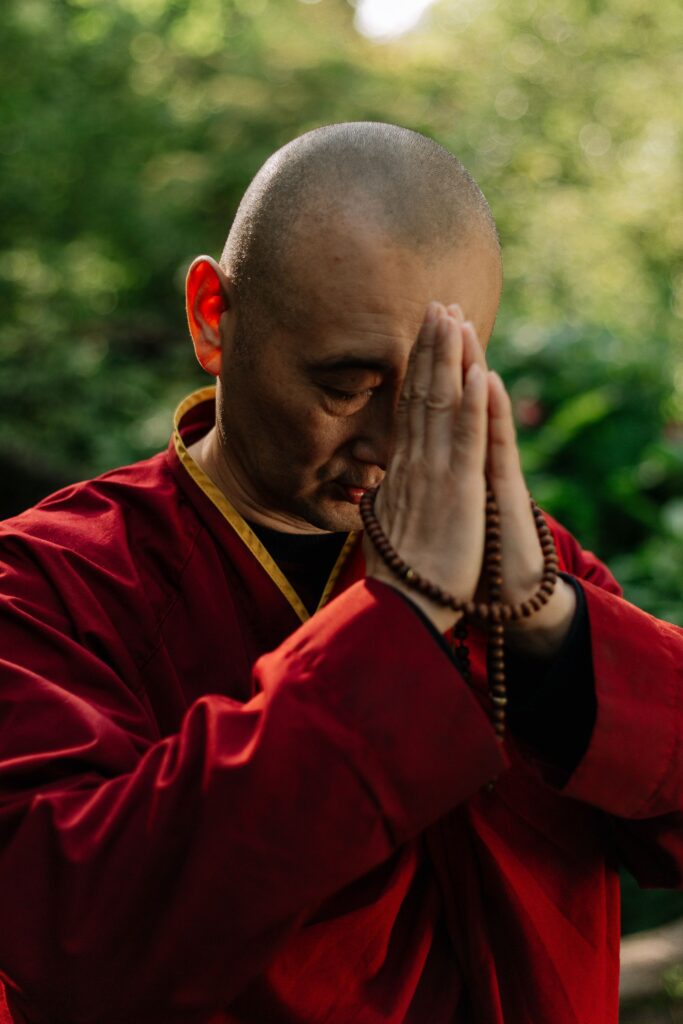
Chanting Om Mani Padme Hum is one of the most powerful and well-known mantras in Tibetan Buddhism. It is associated with the bodhisattva of compassion, Avalokiteshvara (Chenrezig), and is often recited to invoke compassion and wisdom and to purify negative karma. So, see below how to and benefits of chanting om mani padme hum.
Meaning Of Om Mani Padme Hum:
Each syllable of the mantra has its own profound significance:
Om: Represents the body, speech, and mind of the Buddha. It is often understood as the sound of the universe, signifying purity and the essence of the teachings.
Mani: Meaning “jewel” or “precious stone,” it symbolizes the intention to cultivate compassion and altruistic love. The “jewel” is a metaphor for the powerful and transformative qualities of the bodhisattva’s compassion.
Padme: Meaning “lotus,” it represents wisdom. The lotus flower is a symbol of purity and enlightenment because it grows from the mud but remains unstained. Padme signifies wisdom arising from the compassionate heart.
Hum: Represents the indivisibility of method and wisdom. It also signifies the completion of the practice and is said to be the sound that connects one with the universe, marking the presence of an enlightened mind.
Why Chant “Om Mani Padme Hum”?
Let’s know why to Om Mani Padme Hum chant.
Purification of Negative Karma: Reciting this mantra is believed to purify one’s negative karma and harmful tendencies, bringing about positive change.
Cultivating Compassion: It helps develop compassion and kindness, both towards oneself and others. The mantra embodies the qualities of Avalokiteshvara, the embodiment of compassion.
Protection and Blessings: It’s said to bring protection, good fortune, and blessings to those who recite it sincerely.
Meditative Focus: The mantra also serves as a focal point for meditation, helping to clear the mind and develop deeper concentration.
How To Chant Om Mani Padme Hum?
Here’s how to chant om mani padme hum mantra effectively:
Find a Quiet Space: It’s helpful to be in a calm, undistracted space, but you can chant the mantra anywhere whether sitting, walking, or even in times of stress.
Posture: Sit comfortably with a straight back (preferably in a meditation posture) and relax your body. If you’re standing, keep your body relaxed and upright.
Focus on the Mantra: Close your eyes or lower your gaze. Take a deep breath, and start chanting the mantra: “Om Mani Padme Hum.”
Recite Clearly: Chant each syllable slowly and clearly, allowing the sound and meaning of each word to sink in. You can chant silently or aloud. You can repeat the mantra several times, gradually increasing the number of repetitions.
Use a Mala (Optional): A mala is a string of beads (usually 108 beads) used to count mantra repetitions. Hold the mala in your right hand and move to the next bead after each recitation. This helps you keep track of your count and maintain focus.
Focus on the Meaning: As you chant, try to focus on the deep meaning behind the mantra—cultivating compassion, wisdom, and the desire to benefit all beings.
Benefits of Chanting Om Mani Padme Hum:
“Om Mani Padme Hum” is one of the most revered and widely chanted mantras in Buddhist traditions, particularly in Tibetan Buddhism. Associated with compassion and wisdom, this sacred mantra is believed to invoke the blessings of compassion and promote inner transformation. While its literal translation is complex and often interpreted in different ways, the mantra is commonly understood as representing the journey from suffering to enlightenment. Chanting “Om Mani Padme Hum” regularly can offer numerous spiritual, emotional, and mental benefits.
Promotes Inner Peace and Calmness:
One of the primary benefits of chanting “Om Mani Padme Hum” is its ability to calm the mind. Repeating the mantra rhythmically helps reduce mental chatter and encourages a meditative state. As attention becomes focused on the sound and vibration of the mantra, worries and distractions gradually fade away.
This practice can help individuals experience a sense of inner peace, making it easier to cope with daily stress and emotional challenges. Regular chanting often leaves practitioners feeling more centered and relaxed.
Cultivates Compassion and Kindness:
The mantra is closely associated with compassion, particularly the compassionate qualities embodied by the Bodhisattva of Compassion, Avalokiteshvara. Chanting “Om Mani Padme Hum” is believed to awaken feelings of love, empathy, and kindness toward oneself and others.
As practitioners develop greater compassion, they may become more understanding, patient, and forgiving in their relationships. This positive shift can improve emotional well-being and foster stronger connections with others.
Enhances Mindfulness and Concentration:
Mantra chanting requires focused attention, making it an effective mindfulness practice. By continuously repeating the sacred words, the mind remains anchored in the present moment rather than dwelling on the past or worrying about the future.
Over time, this increased mindfulness can improve concentration, mental clarity, and self-awareness. Many practitioners find that regular chanting enhances their ability to stay focused in daily activities and make more thoughtful decisions.
Reduces Stress and Anxiety:
The rhythmic repetition of “Om Mani Padme Hum” has a soothing effect on the nervous system. Similar to meditation and controlled breathing exercises, chanting can activate the body’s relaxation response, reducing feelings of stress and anxiety.
The calming vibrations produced during chanting may help slow the heart rate, ease tension, and create a sense of emotional balance. As a result, individuals often feel more resilient when facing life’s challenges.
Supports Spiritual Growth:
For many practitioners, chanting this mantra is a powerful spiritual practice. It serves as a reminder to cultivate wisdom, compassion, and ethical living. The mantra is believed to help purify negative thoughts and emotions while encouraging positive qualities.
Regular chanting can deepen spiritual awareness and strengthen one’s connection to inner values and higher aspirations. Whether practiced within a religious tradition or as a personal meditation technique, it can contribute to meaningful personal growth.
Encourages Positive Energy:
Many people believe that sacred mantras carry positive vibrations that influence the mind and environment. Chanting “Om Mani Padme Hum” is often said to generate positive energy, helping to replace negativity with feelings of hope, gratitude, and harmony.
This positive mindset can improve emotional health and encourage a more optimistic outlook on life. The practice may also create a peaceful atmosphere that benefits both the practitioner and those around them.
Conclusion:
Chanting Om Mani Padme Hum is a beautiful and transformative practice in Buddhism. It’s not just a prayer but a tool for cultivating compassion, wisdom, and mindfulness in daily life. Whether you chant it a few times a day or use it as a meditative focus, this mantra can help guide you on your spiritual journey while bringing peace and blessings to yourself and others.
FAQ:
Q. How many times to chant “Om Mani Padme Hum”?
A. While you can chant the mantra any number of times, 108 repetitions is a traditional and auspicious number in Buddhism. You can chant it as many times as you feel comfortable. Some people aim for a specific number of repetitions daily as part of their practice.
Q. Can I Chant “Om Mani Padme Hum” Anywhere?
A. Yes, you can chant it anywhere: at home, at work, while walking, or during meditation. It’s a flexible and portable practice that can be done in any setting.
Q. How Does Chanting “Om Mani Padme Hum” Purify Negative Karma?
A. The repetition of the mantra is believed to purify negative actions, thoughts, and speech, helping to remove the obstacles that block one’s path to spiritual growth. It is said to cleanse the mind of ignorance, anger, and attachment.
Q. Can Chanting “Om Mani Padme Hum” Help in Times of Difficulty?
A. Yes, many people turn to this mantra during challenging times. The mantra is said to bring peace and clarity to the mind, helping to cope with hardship and maintain a sense of calm and compassion.
Q. Can Chanting “Om Mani Padme Hum” Be Part of Daily Life?
A. Yes! You can incorporate chanting into your daily routine. Whether you chant it a few times during the day or as part of your morning or evening meditation, it can serve as a reminder to cultivate compassion, mindfulness, and wisdom in your everyday actions.