India has a long and diverse meditation tradition, ranging from Buddhist Vipassana and mindfulness practices to Rajyoga, Transcendental Meditation, Heartfulness, Osho meditation, and Advaita Vedanta. Today, meditation centers across the country offer everything from introductory classes and daily group sessions to residential retreats lasting several days or weeks.
Choosing among the best meditation centers in India depends largely on the kind of meditation you want to learn, whether you prefer a structured retreat or flexible daily classes, and whether your interest is spiritual, contemplative or simply focused on developing a regular meditation practice.
This guide explores well-known meditation centers and traditions across India, including their approaches, locations, what beginners can expect, and factors to consider before visiting.
Best Meditation Centers in India at a Glance
| Meditation Centre / Tradition | Location | Main Practice | Suitable For |
|---|---|---|---|
| Dhamma Khetta | Hyderabad, Telangana | Vipassana | Silent, structured retreats |
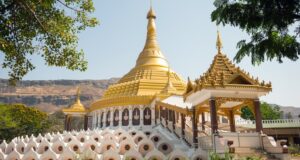
| Dhamma Giri | Igatpuri, Maharashtra | Vipassana | Intensive residential practice |
| Brahma Kumaris Rajyoga Centres | Across India | Rajyoga | Beginners and regular practice |
| Kanha Shanti Vanam | Telangana | Heartfulness | Meditation, retreats and wellness |
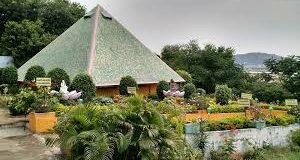
| Manasa Sarovaram Meditation Center | Tadepalli, Andhra Pradesh | Pyramid meditation | Group meditation |
| Osho Nisargam | Bengaluru | Osho meditation | Active and experiential meditation |
| Maharishi TM Centres | Across India | Transcendental Meditation | Mantra-based meditation |
| The Sacred Grove | India | Advaita/contemplation | Self-inquiry and contemplation |
| Buddhist Meditation Centres | Bodh Gaya, Dharamshala and elsewhere | Buddhist meditation | Mindfulness and Buddhist study |
| Varanasi Meditation Centre | Varanasi, Uttar Pradesh | Kriya Yoga | Spiritual study and meditation |
1. Dhamma Khetta – Vipassana Centre in Hyderabad
If you are specifically searching for a Vipassana centre in Hyderabad, Dhamma Khetta is one of the most established options to investigate.
Dhamma Khetta follows the Vipassana meditation tradition taught by S. N. Goenka in the lineage of Sayagyi U Ba Khin. The centre is located in Hyderabad, Telangana, and conducts residential Vipassana courses.
According to the official Vipassana directory, Telangana currently has multiple Vipassana centres, including Dhamma Khetta in Hyderabad.
What is special about Dhamma Khetta?
Dhamma Khetta has historical importance within the Goenka Vipassana tradition. The first course at the centre was conducted in September 1976, making it one of the early centres established in this tradition.
A typical introductory Vipassana course is highly structured. Participants generally follow a disciplined timetable involving meditation sessions, silence and instructions from the teachers.
Who should consider it?
Dhamma Khetta may appeal to people who:
- Want to learn traditional Vipassana
- Prefer a structured meditation schedule
- Are interested in a residential retreat
- Want to spend several days away from everyday distractions
- Are prepared to follow retreat rules and discipline
Vipassana retreats are considerably more intensive than attending a one-hour meditation class, so beginners should understand the course requirements before registering.
2. Dhamma Giri – Igatpuri, Maharashtra
Dhamma Giri, located in Igatpuri, Maharashtra, is one of the internationally recognised Vipassana meditation centres in India.
It operates within the same S. N. Goenka Vipassana tradition and is particularly associated with residential meditation courses.
The standard Vipassana retreat format is significantly different from a conventional wellness holiday. Participants generally follow a fixed daily routine, maintain silence during designated periods and devote substantial time to meditation.
Why visit Dhamma Giri?
Dhamma Learning Centre can be considered by people looking for:
- An immersive meditation experience
- Traditional Vipassana practice
- A residential retreat
- A quiet environment away from city life
- A disciplined introduction to intensive meditation
The centre’s courses are generally offered on a donation basis rather than operating like a conventional commercial retreat. Current course dates, rules and availability should be checked before travelling.
3. Brahma Kumaris Rajyoga Centre
A Brahma Kumaris Rajyoga centre can be an accessible choice for someone looking for meditation classes in a local community setting.
Brahma Kumaris operates an extensive network of Rajyoga meditation centres throughout India. Its official directory currently lists thousands of centres across states and Union Territories. The organisation says its introductory Rajyoga course is free and open to people of different backgrounds.
What is Rajyoga meditation?
Rajyoga meditation focuses on developing awareness of the self, thoughts and the relationship between the individual and the Supreme.
Rather than requiring people to immediately undertake a residential retreat, local centres can provide a more gradual way to learn and practise.
What can beginners expect?
Depending on the centre, programmes may include:
- Introductory Rajyoga courses
- Guided meditation
- Spiritual discussions
- Group meditation
- Daily meditation sessions
- Self-awareness exercises
For example, the Brahma Kumaris centre in Kolkata’s Kankurgachi area currently advertises a free seven-day introductory Rajyoga course and daily meditation sessions.
This makes the Rajyoga network particularly useful for people who want to incorporate meditation into their normal routine rather than travelling specifically for a retreat.
4. Heartfulness Meditation Centre – Kanha Shanti Vanam
Kanha Shanti Vanam in Telangana is one of India’s major destinations for Heartfulness meditation.
Located near Hyderabad, the campus serves as the world headquarters of the Heartfulness Institute. Heartfulness describes Kanha Shanti Vanam as a large ecological retreat environment combining meditation, yoga, wellness and spiritual programmes.
The campus is spread across a large green area and includes facilities designed for meditation, retreats, learning and community activities.
What is Heartfulness meditation?
Heartfulness meditation places emphasis on meditation on the heart and incorporates practices such as relaxation, meditation and cleaning.
The organisation states that Heartfulness practices with certified trainers are offered without fees or charges.
Why consider Kanha Shanti Vanam?
The centre can be particularly interesting if you want a combination of:
- Meditation
- Yoga
- Nature
- Retreat experiences
- Spiritual learning
- Group meditation
- Wellness activities
The campus has a very large meditation hall, and Heartfulness describes it as capable of accommodating up to 100,000 practitioners in a single session.
It also offers retreat and yoga programmes, making it more than simply a place to attend an occasional meditation class.
5. Manasa Sarovaram Meditation Center – Siddhartha Pyramid
The Manasa Sarovaram centre associated with the Siddhartha Pyramid meditation movement is located in Tadepalli near Vijayawada, Andhra Pradesh.
The centre is associated with pyramid meditation, in which practitioners meditate inside a pyramid-shaped meditation structure.
Available information describes the centre as offering activities such as:
- Group meditation
- Guided meditation
- Silent meditation
- Spiritual discussions
- Meditation workshops
It has also been described as hosting free group meditation sessions.
What makes it different?
The pyramid structure gives this centre a distinct character compared with conventional meditation halls.
People interested in meditation communities, group practice and pyramid meditation may find this type of centre particularly interesting.
However, visitors should confirm current programmes and timings before travelling, as local schedules can change.
6. Osho Nisargam Centre – Bengaluru
For people interested in Osho’s approach to meditation, Osho Nisargam Centre in Bengaluru is another name to explore.
Osho meditation differs from traditional silent meditation in one important respect: several Osho techniques incorporate movement, breathing, catharsis, music, observation and periods of silence.
Osho Nisargam Meditation Center is associated with Bengaluru, and the Government of India’s Press Registrar records Osho Nisargam Meditation Centre as the owner of Osho Vachana, with its place of business in Bengaluru.
What can you explore at an Osho meditation centre?
Depending on the programme, Osho meditation traditions can include:
- Dynamic meditation
- Active meditation
- Silent meditation
- Mindfulness practices
- Breath-based techniques
- Awareness practices
- Meditation combined with movement
This style can be particularly interesting for people who find conventional seated meditation difficult or who want to explore a more experiential approach.
7. Maharishi TM Centre – Transcendental Meditation
The Maharishi TM centre network is another major meditation tradition available in India.
Transcendental Meditation, commonly abbreviated as TM, is a mantra-based meditation technique taught through trained instructors.
The official India TM website currently lists introductory talks at TM centres in cities including Noida, New Delhi, Puri and Lucknow, along with online introductory sessions.
What happens at a TM centre?
Rather than simply downloading an app and teaching yourself the technique, TM is traditionally learned through an organised instructional process.
People interested in TM can generally:
- Attend an introductory session.
- Learn about the technique and its approach.
- Complete the required instruction.
- Practise regularly.
- Attend follow-up sessions where available.
Who may prefer TM?
TM may be worth exploring if you prefer:
- A structured technique
- Instructor-led learning
- Mantra-based meditation
- A practice that can be incorporated into everyday life
- Regular follow-up and instruction
Check the official India TM schedule for current introductory programmes before visiting a centre.
8. Advaita Meditation Centre and Vedanta Retreats
If your interest is less about relaxation and more about self-inquiry, consciousness and non-dual philosophy, an Advaita meditation centre or Vedanta retreat may be more appropriate.
Advaita Vedanta is a philosophical tradition centred on the understanding of non-duality and the nature of the Self.
India has several institutions where meditation is combined with Advaita Vedanta study.
One example is Jnanapravaha, a Vedanta Study Centre that describes itself as a space for studying Advaita Vedanta and also provides facilities for contemplation, meditation and retreats.
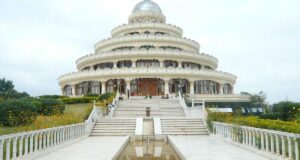
Another contemporary example is The Sacred Grove, associated with Sri M, which has a meditation space called Advaita – The Dhyan Mandir. Its stated purpose includes providing a space for self-study, contemplation and inner exploration.
What is different about Advaita-based meditation?
The focus can extend beyond simply calming the mind.
A retreat may involve:
- Self-inquiry
- Vedanta study
- Contemplation
- Meditation
- Scriptural study
- Satsang
- Reflection on the nature of consciousness
Therefore, someone choosing this path should be prepared for both meditation and philosophical learning.
9. Buddhist Meditation Centre
India is particularly significant for Buddhist meditation because important sites associated with the Buddha’s life are located here.
For someone searching for a Buddhist meditation centre, locations such as Bodh Gaya, Sarnath, Dharamshala and other Buddhist communities offer opportunities to combine meditation with Buddhist teachings.
Bodh Gaya is especially significant because of its association with the Buddha’s enlightenment.
Types of Buddhist meditation
Depending on the tradition, a Buddhist centre may teach:
- Mindfulness
- Vipassana
- Samatha
- Loving-kindness meditation
- Tibetan Buddhist meditation
- Analytical meditation
- Walking meditation
- Contemplative practices
For example, Tushita Meditation Centre in the Dharamshala area offers programmes based on Tibetan Buddhist teachings, while Buddhist meditation programmes are also available at other institutions across India.
The important thing to remember is that “Buddhist meditation” is not one single technique. Different Buddhist traditions have different meditation methods, philosophies and teacher-student structures.
10. Varanasi Meditation Centre
For people searching specifically for a Varanasi meditation centre, the Yogoda Satsanga Society of India’s Varanasi centre is one established option.
YSS identifies its Varanasi centre as a meditation centre where practitioners can participate in group meditation and explore the teachings associated with Paramahansa Yogananda and Kriya Yoga.
The centre is located in Mahmoorganj, Varanasi.
YSS states that its network has more than 200 centres across India.
Why choose a meditation centre in Varanasi?
Varanasi has a distinctive spiritual and cultural environment. A meditation trip here can potentially combine:
- Meditation
- Yoga
- Spiritual study
- Temple visits
- Ganga-side experiences
- Indian philosophy
- Cultural exploration
The city is also close to Sarnath, an important Buddhist site, making the wider region relevant for people interested in Buddhist meditation and Indian spiritual traditions.
11. Dhamma Cakka – Sarnath, Varanasi
Another important meditation destination around Varanasi is Dhamma Cakka in Sarnath.
The Vipassana Research Institute lists Dhamma Cakka in Sarnath, Varanasi, and notes its proximity to the Deer Park where the Buddha delivered his first discourse.
This location makes it particularly interesting for people who want to combine meditation with an understanding of early Buddhist history.
A visit to Sarnath can therefore be more than a meditation retreat: it can provide an opportunity to explore Buddhist heritage alongside meditation practice.
Best Meditation Centers in India for Different Needs
Instead of treating “best” as one universal ranking, it is more useful to match the centre with the kind of experience you are seeking.
For intensive Vipassana
Dhamma Khetta and Dhamma Giri are prominent options within the S. N. Goenka Vipassana network. Dhamma Khetta is particularly relevant for people looking for a Vipassana centre in Hyderabad.
For Rajyoga
The Brahma Kumaris Rajyoga centre network offers introductory courses and meditation programmes in cities throughout India.
For Heartfulness
Kanha Shanti Vanam near Hyderabad provides a large-scale environment for Heartfulness meditation, retreats, yoga and wellness activities.
For Transcendental Meditation
Maharishi TM centres provide instructor-led learning of Transcendental Meditation, with introductory talks offered in various Indian cities.
For Osho meditation
Osho Nisargam in Bengaluru is associated with the Osho meditation tradition and offers a different approach from conventional silent meditation.
For Advaita
Vedanta centres and retreat spaces such as Jnanapravaha and The Sacred Grove provide opportunities for contemplation, meditation and Advaita Vedanta study.
For Buddhist meditation
Bodh Gaya, Sarnath and Dharamshala provide access to different Buddhist traditions, teachers and meditation programmes.
For meditation in Varanasi
The Varanasi Meditation Centre of YSS provides group meditation and access to Kriya Yoga teachings associated with Paramahansa Yogananda.
Meditation Centre vs Meditation Retreat: What’s the Difference?
| Feature | Meditation Centre | Residential Retreat |
|---|---|---|
| Duration | Usually short sessions | Several days or weeks |
| Accommodation | Usually not required | Usually provided |
| Intensity | Low to moderate | Moderate to intensive |
| Suitable for beginners | Usually yes | Depends on programme |
| Daily routine | Flexible | Structured |
| Main advantage | Easy to practise regularly | Immersive experience |
| Travel required | Often minimal | Usually required |
Final Thoughts:
India offers an unusually wide range of meditation experiences. From the disciplined silence of Vipassana to Rajyoga, Heartfulness, Transcendental Meditation, Osho’s active practices, Buddhist mindfulness and Advaita self-inquiry, each tradition approaches meditation from a somewhat different perspective.
If you are looking for an intensive retreat, investigate centres such as Dhamma Giri or Dhamma Khetta. For a more accessible local practice, the extensive Brahma Kumaris network and Heartfulness centres provide options in many parts of India. Those interested in philosophy can explore Advaita and Vedanta-oriented centres, while seekers interested in Buddhist traditions can consider destinations such as Bodh Gaya and Sarnath.
The most important step is to understand what type of meditation you want to learn before selecting a centre. Check the official programme, current schedule, rules and registration requirements, and choose an environment in which you can practise consistently.
FAQs:
Q. Which is the best meditation centre in India?
A. There is no universally best meditation centre because meditation traditions differ considerably. Vipassana, Rajyoga, Heartfulness, TM, Osho, Buddhist meditation and Advaita Vedanta offer different methods and objectives. Choose a centre based on the tradition and type of experience you want.
Q. Which meditation centre is best for beginners?
A. Beginners may find introductory programmes at local Brahma Kumaris centres, Heartfulness centres, TM introductory sessions or other structured meditation centres easier to approach than an intensive residential retreat. The right choice depends on the individual’s preference.
Q. Is Vipassana free in India?
A. Vipassana courses in the S. N. Goenka tradition are generally operated on a donation basis. However, participants must follow the specific centre’s registration rules and course requirements.
Q. Which is the best Vipassana centre in India?
A. Dhamma Giri in Igatpuri and Dhamma Khetta in Hyderabad are prominent centres in the Goenka Vipassana network. India also has numerous other Dhamma centres, so location and course availability should be considered.
Q. Is there a Vipassana centre in Hyderabad?
A. Yes. Dhamma Khetta is a Vipassana meditation centre in Hyderabad. The official Vipassana directory also lists other centres in Telangana.
Q. Are Brahma Kumaris meditation classes free?
A. The Brahma Kumaris states that its Rajyoga meditation classes and introductory courses are offered free of charge.
Q. Where can I learn Heartfulness meditation?
A. Heartfulness meditation can be learned through Heartfulness centres and certified trainers. Kanha Shanti Vanam near Hyderabad is the organisation’s international headquarters and a major retreat and learning destination.
Q. Is meditation available in Varanasi?
A. Yes. Varanasi has several meditation and spiritual organisations. YSS operates a Varanasi Meditation Centre, while Sarnath near Varanasi is home to Dhamma Cakka, a Vipassana centre.
Q. What should I choose between Vipassana and Buddhist meditation?
A. Vipassana itself has important roots in Buddhist meditation traditions, but modern centres may present the practice differently. Before choosing, read the centre’s description, course structure and philosophy to understand what you will actually practise.
Q. Can I attend a meditation retreat without previous experience?
A. Many centres offer programmes specifically for beginners. However, some residential retreats are intensive. Check the centre’s eligibility requirements and daily schedule before registering.
Q. How many days should I spend at a meditation centre?
A. It depends on your objective. A first visit to a local centre can be one session, while residential programmes can last several days or longer. Beginners may want to start with a shorter introductory programme before committing to an intensive retreat.