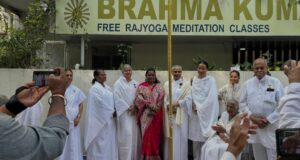

Meditation has become an essential tool for achieving mental balance, emotional stability, and inner peace in modern life. Among the many meditation techniques practiced worldwide, Sahaja Yoga meditation stands out for its simple and natural approach to self-realization. A Sahaja Yoga Meditation Center provides a peaceful environment where individuals can learn this unique meditation technique, experience inner transformation, and develop spiritual awareness through guided sessions and community practice.
What Is Sahaja Yoga Meditation Center?
A Sahaja Yoga Meditation Center is a place where individuals gather to learn and practice the Sahaja Yoga meditation technique. This method of meditation was founded by Shri Mataji Nirmala Devi in 1970. The word Sahaja means “spontaneous” or “born with you,” while Yoga means “union.” Together, Sahaja Yoga refers to the natural union between an individual’s inner consciousness and universal energy.
Unlike many traditional meditation techniques that require long periods of discipline or complex rituals, Sahaja Yoga focuses on achieving self-realization through the awakening of an inner spiritual energy known as Kundalini. According to the teachings of Shri Mataji Nirmala Devi, this subtle energy resides at the base of the spine and rises through the body’s energy centers, also known as chakras.
Sahaja Yoga meditation centers are designed to help people experience this awakening in a guided and supportive environment. At these centers, trained volunteers conduct meditation sessions, workshops, and introductory programs that explain the principles of Sahaja Yoga and help participants practice meditation effectively.
One of the most appealing aspects of Sahaja Yoga centers is that they operate on a completely free basis. The founder strongly believed that spiritual knowledge should never be sold, so Sahaja Yoga meditation classes are typically offered free of charge across the world.
Participants who visit a Sahaja Yoga Meditation Center often begin with a guided self-realization session, where they learn how to experience meditation for the first time. Once the Kundalini energy is awakened, practitioners can learn to maintain and deepen their meditation practice through regular sessions.
Today, Sahaja Yoga meditation centers exist in more than 100 countries, making it a global spiritual movement that welcomes people from all cultures, religions, and backgrounds.
Overview
A Sahaja Yoga Meditation Center serves as a community space where individuals can explore meditation, spiritual awareness, and personal transformation. These centers are usually managed by volunteers who have practiced Sahaja Yoga for several years and wish to share the experience with others.
The main goal of a Sahaja Yoga center is to help individuals achieve self-realization, which is considered the first step toward spiritual growth. Through guided meditation sessions, participants learn how to awaken and feel the subtle energy within their bodies. This experience is often described as a gentle cool breeze or a sense of inner peace.
Meditation sessions at Sahaja Yoga centers are typically simple and beginner-friendly. They include:
- Guided meditation
- Explanation of subtle energy systems
- Chakra balancing techniques
- Group meditation sessions
- Spiritual discussions and workshops
The atmosphere at a Sahaja Yoga Meditation Center is usually calm, welcoming, and supportive. Participants are encouraged to meditate at their own pace and explore the experience without pressure or strict requirements.
In addition to weekly meditation sessions, many centers organize special meditation programs, public seminars, and cultural events. These activities help participants deepen their understanding of Sahaja Yoga and connect with a global community of meditators.
Because Sahaja Yoga meditation focuses on inner awareness rather than external rituals, it can be practiced by people of all religious or cultural backgrounds. The practice does not require participants to change their beliefs or follow a specific doctrine.
Over time, regular meditation at a Sahaja Yoga center can lead to improved mental clarity, emotional balance, and spiritual growth. Many practitioners find that the technique helps them manage stress, improve relationships, and maintain a peaceful state of mind in daily life.
Location:
Sahaja Yoga meditation centers are located in many cities around the world. These centers are usually situated in community halls, meditation spaces, or cultural centers where people can gather for regular meditation sessions.
One of the important international Sahaja Yoga locations is Sahaja Yoga International Center, which serves as a major spiritual center for Sahaja Yoga practitioners worldwide. It hosts international seminars, meditation retreats, and large gatherings of meditators from different countries.
In India, Sahaja Yoga meditation centers are present in almost every major city, including:
- Delhi
- Mumbai
- Hyderabad
- Bangalore
- Kolkata
These centers are typically located in residential areas or community spaces to make meditation accessible to local residents. Many of them are close to public transportation routes such as metro stations, bus stops, or railway stations.
For example, a typical Sahaja Yoga Meditation Center may be located in:
- Community halls
- Yoga studios
- Cultural centers
- Spiritual learning spaces
Some cities also host dedicated meditation halls where regular weekly sessions and workshops take place.
In addition to physical locations, Sahaja Yoga also offers online meditation sessions for people who cannot attend in person. These online classes allow participants to learn the technique from the comfort of their homes while still receiving guidance from experienced practitioners.
Most centers recommend arriving a few minutes before the meditation session begins so participants can settle down and prepare for meditation. Comfortable seating arrangements are usually provided, though some participants prefer sitting on meditation cushions or chairs.
Overall, Sahaja Yoga Meditation Centers are designed to be welcoming spaces that encourage calmness, reflection, and spiritual exploration.
Contact & Practical Info:
Organization:
Sahaja Yoga International
Meditation Sessions:
Weekly group meditation sessions are commonly held in most cities.
Cost:
All Sahaja Yoga meditation classes are free of charge.
Registration:
Most centers allow walk-in participants, though some workshops may require online registration.
Facilities Typically Available
- Meditation hall or quiet room
- Chairs or floor seating for meditation
- Guided meditation sessions
- Introductory self-realization workshops
- Community gatherings
Who Can Join
- Beginners with no meditation experience
- Experienced meditators
- People interested in spiritual growth
- Anyone seeking stress relief or inner peace
Practices & Experience You May Find:
Visiting a Sahaja Yoga Meditation Center can be a deeply calming and transformative experience. The environment is typically peaceful, supportive, and welcoming for people from all walks of life.
Self-Realization Session:
The first experience many newcomers have at a Sahaja Yoga center is the Self-Realization session. During this session, participants are guided through a simple meditation process designed to awaken the Kundalini energy.
The process involves:
- Sitting comfortably with hands open
- Listening to guided instructions
- Focusing attention inward
- Observing sensations on the hands and head
Many people report feeling a cool breeze or subtle energy flow, which practitioners interpret as the activation of the Kundalini energy.
Guided Meditation:
Guided meditation sessions are a central part of the experience at a Sahaja Yoga center. During these sessions, experienced practitioners help participants focus their attention and remain in a state of thoughtless awareness.
Thoughtless awareness is a key concept in Sahaja Yoga. It refers to a state where the mind becomes quiet and free from unnecessary thoughts.
Chakra Balancing:
Another important practice at Sahaja Yoga centers is chakra balancing. According to Sahaja Yoga teachings, the human body contains subtle energy centers known as chakras. These chakras influence emotional, physical, and spiritual well-being.
Meditators learn techniques to balance and clear these energy centers using simple methods such as:
- Foot soaking in salt water
- Hand movements over chakras
- Affirmations
- Silent meditation
Collective Meditation:
Group meditation plays a significant role in Sahaja Yoga practice. Practicing meditation together often enhances the experience and helps individuals feel stronger vibrations.
Collective meditation also helps beginners learn from experienced practitioners.
Workshops and Seminars:
Many Sahaja Yoga centers organize workshops where participants can learn more about topics such as:
- The subtle energy system
- Chakras and Kundalini
- Meditation techniques
- Spiritual growth and self-awareness
These workshops provide deeper insights into the philosophy behind Sahaja Yoga meditation.
Cultural Programs and Music:
Sahaja Yoga is also known for its spiritual music traditions. Some centers host music programs featuring devotional songs known as bhajans, which help deepen meditation.
Music is believed to help activate subtle energy centers and create a peaceful environment for meditation.
Meditation Retreats:
Some Sahaja Yoga meditation centers organize weekend retreats or longer seminars where participants can focus entirely on meditation and spiritual learning.
These retreats often include:
- Multiple meditation sessions
- Lectures and discussions
- Group activities
- Cultural events
Overall, the experience at a Sahaja Yoga Meditation Center is designed to nurture inner peace, spiritual awareness, and personal transformation.
Why Sahaja Yoga Meditation Center Is Good For You:
Practicing meditation at a Sahaja Yoga Meditation Center can provide numerous benefits for both mental and physical well-being. Many practitioners report profound improvements in their quality of life after learning the technique.
Stress Reduction:
One of the most significant benefits of Sahaja Yoga meditation is its ability to reduce stress. Modern lifestyles often create mental tension and emotional overload. Meditation helps calm the nervous system and restore balance.
By entering a state of thoughtless awareness, individuals can experience deep relaxation and mental clarity.
Emotional Balance:
Sahaja Yoga meditation encourages people to observe their emotions without becoming overwhelmed by them. This awareness allows individuals to respond to situations calmly rather than reacting impulsively.
Over time, practitioners often develop greater patience, compassion, and emotional stability.
Improved Concentration:
Meditation helps train the mind to focus on the present moment. This improved concentration can be beneficial in work, studies, and daily activities.
Students and professionals often find that regular meditation enhances their productivity and creativity.
Better Physical Health:
Some practitioners report improvements in physical health after practicing Sahaja Yoga regularly. Meditation can help regulate breathing, reduce blood pressure, and promote overall relaxation.
While meditation is not a replacement for medical treatment, it can complement a healthy lifestyle.
Increased Self-Awareness:
Sahaja Yoga meditation encourages individuals to look inward and understand their thoughts, emotions, and behaviors. This self-awareness helps people identify negative patterns and gradually overcome them.
Spiritual Growth:
For many people, meditation becomes a pathway to deeper spiritual understanding. Sahaja Yoga emphasizes the connection between the individual and universal consciousness.
This experience often leads to a sense of unity, compassion, and purpose in life.
Community Support:
Meditation centers also provide a supportive community where individuals can share experiences and learn from others.
This sense of belonging can be especially valuable for people seeking personal growth or emotional support.
Free and Accessible:
Unlike many wellness programs, Sahaja Yoga meditation is offered free of charge. This makes it accessible to people from all backgrounds.
The philosophy behind Sahaja Yoga emphasizes that spiritual growth should never be commercialized.
Final Thoughts:
A Sahaja Yoga Meditation Center offers a welcoming space for individuals seeking peace, balance, and spiritual growth. Through simple meditation techniques and guided self-realization sessions, participants can experience a deeper connection with their inner self. Founded by Shri Mataji Nirmala Devi, Sahaja Yoga has grown into a global meditation movement practiced by millions of people. Whether you are new to meditation or looking to deepen your spiritual journey, visiting a Sahaja Yoga Meditation Center can be a meaningful step toward achieving inner harmony and lasting well-being.
FAQs:
Q. What is Sahaja Yoga meditation?
A. Sahaja Yoga is a meditation technique that focuses on spontaneous self-realization through the awakening of Kundalini energy.
Q. Are Sahaja Yoga meditation classes free?
A. Yes, Sahaja Yoga meditation sessions are offered free of charge worldwide.
Q. Do I need prior meditation experience?
A. No, beginners are welcome and guided through the process step-by-step.
Q. How long does a meditation session last?
A. Most sessions last between 45 minutes and 1.5 hours.
Q. Can anyone practice Sahaja Yoga?
A. Yes, people from all religions, cultures, and backgrounds can practice Sahaja Yoga meditation.
Q. Is Sahaja Yoga a religion?
A. No, it is a meditation technique focused on spiritual awareness rather than religious practice.