The connection between chakras and fingers is a core concept in yogic science, mudra practice, and energy healing. Ancient traditions understood that the human body is an energetic system where fingers act as gateways to chakras—the subtle energy centers that regulate physical, emotional, and spiritual well-being.
In this in-depth guide, we explore how each finger relates to specific chakras, how this energetic pathway works, and how you can use this knowledge in daily life through mudras and mindful practices.
What Are Mudras and Why Are They So Powerful?
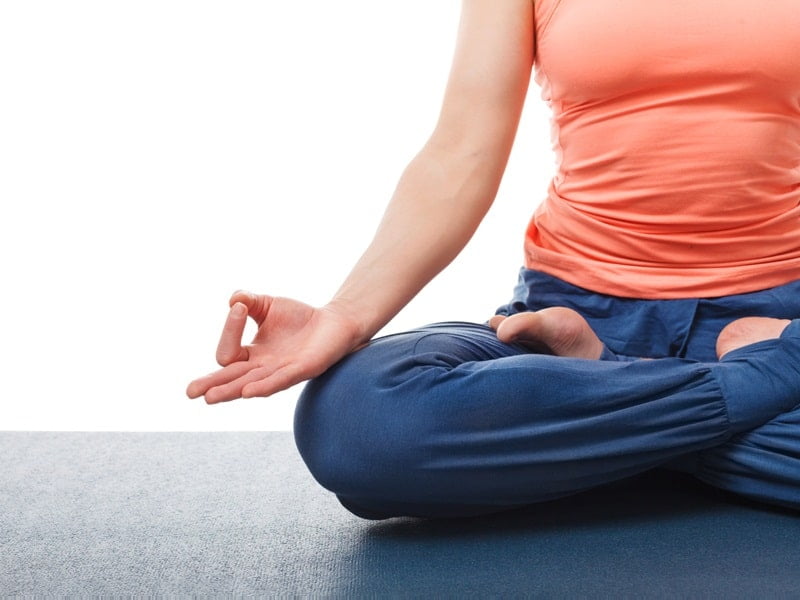
Mudras are symbolic gestures involving the fingers, hands, or even the whole body. While many people think mudras are limited to hand gestures, they can also involve posture, breath, and body alignment—making them almost like half-asanas.
Because mudras are simple and portable, they can be practiced:
-
During meditation
-
While sitting, walking, or resting
-
Even during daily activities
This accessibility makes understanding the connection between chakras and fingers especially valuable in modern, fast-paced lifestyles.
Understanding the Connection Between Chakras and Fingers
Each finger corresponds to a specific chakra and element. By activating or pressing certain fingers, we stimulate nerve endings and energy channels that influence the related chakra.
This energetic mapping allows practitioners to:
-
Balance chakras naturally
-
Release emotional blockages
-
Improve mental clarity and grounding
-
Support physical and emotional healing
Finger-to-Chakra Mapping Explained:

Below is a detailed breakdown of the connection between chakras and fingers.
The Little Finger and the Root Chakra
Associated Chakra: Root Chakra (Muladhara)
Location: Base of the spine
Element: Earth
The little finger plays a vital role in grounding and stability. The connection between chakras and fingers is most evident here, as the root chakra governs safety, survival, and security.
When Balanced:
-
Feeling grounded and safe
-
Emotional stability
-
Strong connection to the physical world
When Imbalanced:
-
Fear and anxiety
-
Insecurity and instability
Helpful Tip: Wearing grounding stones like aventurine on the little finger may help support root chakra balance.
The Ring Finger and the Sacral Chakra
Associated Chakra: Sacral Chakra (Svadhisthana)
Location: Lower abdomen
Element: Water
The ring finger connects to creativity, pleasure, and emotional flow. This aspect of the connection between chakras and fingers influences how freely we express joy and creativity.
When Balanced:
-
Creative expression
-
Emotional fluidity
-
Healthy relationships
When Imbalanced:
-
Emotional suppression
-
Reproductive or urinary issues
-
Creative blocks
Helpful Tip: Stones in warm tones, such as citrine or opalit,e are traditionally linked to this chakra.
The Middle Finger and the Throat Chakra
Associated Chakra: Throat Chakra (Vishuddha)
Location: Throat and neck
Element: Space
The middle finger represents communication and truth. The connection between chakras and fingers here directly affects self-expression.
When Balanced:
-
Clear communication
-
Confidence in self-expression
-
Emotional honesty
When Imbalanced:
-
Fear of speaking
-
Repressed emotions
-
Feeling unheard
Helpful Tip: Supporting the throat chakra encourages authentic communication and emotional release.
The Index Finger and the Heart Chakra
Associated Chakra: Heart Chakra (Anahata)
Location: Center of the chest
Element: Air
The index finger bridges intellect and emotion. This part of the connection between chakras and fingers governs love, compassion, and balance between mind and heart.
When Balanced:
-
Emotional openness
-
Compassion and empathy
-
Inner harmony
When Imbalanced:
-
Emotional detachment
-
Difficulty trusting others
Helpful Tip: Heart-centered practices combined with finger awareness can enhance emotional healing.
The Thumb and the Crown–Throat Chakra Link
Associated Chakras:
-
Crown Chakra (Sahasrara)
-
Throat Chakra (Vishuddha)
The thumb is unique because it connects higher consciousness with expression. The connection between chakras and fingers here supports awareness, wisdom, and spiritual insight.
When Balanced:
-
Mental clarity
-
Spiritual awareness
-
Strong intuition
When Imbalanced:
-
Confusion
-
Lack of direction
-
Disconnection from purpose
Helpful Tip: Practices focusing on awareness and intention help strengthen this energetic pathway.
How to Use the Connection Between Chakras and Fingers Daily
You can apply this knowledge through:
-
Finger mudras during meditation
-
Mindful finger pressure during breathing exercises
-
Awareness-based hand positioning during rest
Consistency is more important than duration.
Conclusion
The connection between chakras and fingers reveals how deeply interconnected the body’s physical and energetic systems truly are. Each finger acts as a channel to a chakra, allowing us to influence emotional, mental, and spiritual states through simple gestures.
By understanding and applying this ancient wisdom, you can bring balance, awareness, and harmony into everyday life—without complex rituals or extended practice time.
FAQs: Connection Between Chakras and Fingers
Q. What is the connection between chakras and fingers?
A. Each finger corresponds to a specific chakra and element, allowing energy to be influenced through finger positioning and mudras.
Q. Can finger movements really affect chakras?
A. Yes. Fingers contain nerve endings and energy pathways that stimulate chakra-related energy flow.
Q. Which finger is connected to the root chakra?
A. The little finger is commonly associated with the root chakra and grounding energy.
Q. How do mudras use the connection between chakras and fingers?
A. Mudras combine fingers in specific ways to activate or balance particular chakras.
Q. Can beginners practice chakra-finger techniques?
A. Yes. These practices are safe, gentle, and suitable for beginners.
Q. How long should I practice finger-based chakra work?
A. Even 10–15 minutes daily can be effective when practiced consistently.
Q. Do I need crystals to activate chakras through fingers?
A. No. Crystals are optional. Awareness, intention, and regular practice are enough.
Q. Can this practice replace medical treatment?
A. No. It should be used as a complementary wellness practice, not a replacement for professional medical care.