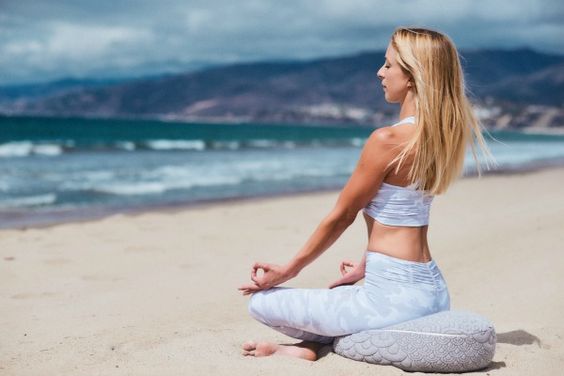
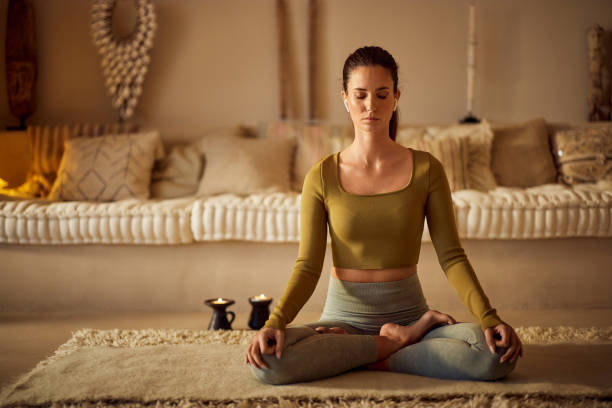
In today’s fast-paced world, stress, anxiety, distraction, and emotional overwhelm have become part of daily life. Many people are searching for simple yet powerful techniques to regain mental clarity, emotional balance, and inner peace. Among the many meditation practices available, Anapana meditation stands out for its simplicity and effectiveness.
Rooted in ancient Buddhist tradition and widely taught through the lineage of S. N. Goenka, Anapana meditation benefits serves as a foundational technique for deeper insight practices like Vipassana. It is often the first meditation method taught in retreats organized by the Vipassana Research Institute and in courses worldwide.
The word “Anapana” comes from Pali: Ana means inhalation, and Apana means exhalation. In essence, Anapana meditation is the practice of observing the natural breath — as it is — without controlling or modifying it. Though it appears simple, the Anapana meditation benefits of this practice are profound and far-reaching.
Whether you are a beginner or someone looking to deepen your mindfulness practice, this article will give you a thorough understanding of Anapana meditation benefits and how to incorporate this technique into your life.
What is Anapana Meditation?
Anapana meditation is a mindfulness technique focused on observing the natural flow of breath. It is one of the core practices taught in the tradition of Gautama Buddha and is preserved within the teachings of Buddhism.
Unlike many breathing exercises that involve counting breaths, regulating airflow, or altering breathing patterns, Anapana meditation emphasizes pure observation. The practitioner simply watches the breath as it enters and leaves the nostrils, paying close attention to the sensations it creates.
The Essence of Anapana
The key elements of Anapana meditation include:
- Natural breathing – No manipulation of breath.
- Awareness of sensations – Noticing the touch of air at the nostrils.
- Non-reaction – Observing without judgment or interference.
- Present-moment focus – Anchoring attention in the now.
The practice trains the mind to become more focused, calm, and sharp. It serves as preparation for deeper meditation techniques such as Vipassana, which involves observing bodily sensations and understanding the impermanent nature of reality.
Anapana vs Other Breathing Techniques
Many people confuse Anapana meditation with pranayama or other yogic breathing exercises. However, there are important differences:
-
Pranayama often involves controlled breathing patterns.
-
In some traditions, mindfulness of breathing may include counting.
-
Anapana meditation requires only observation — no control, no visualization, no mantra.
Its simplicity makes it accessible to people of all ages, backgrounds, and belief systems.
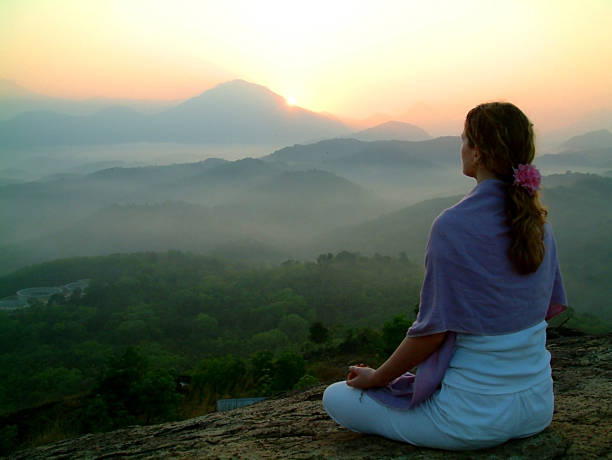
How To Do Anapana Meditation:
Practicing Anapana meditation does not require special equipment or elaborate preparation. All you need is a quiet space and a willingness to observe.
Here is a step-by-step guide:
Step 1: Find a Comfortable Position
Sit in a comfortable posture:
- Cross-legged on the floor
- On a meditation cushion
- On a chair with feet flat on the ground
Keep your back straight but not rigid. Rest your hands comfortably on your lap. Close your eyes gently.
Step 2: Bring Attention to the Breath
Direct your attention to the natural breath.
Do not:
- Control it
- Deepen it
- Slow it down
- Count it
Simply observe.
Step 3: Focus on the Area Below the Nostrils
Concentrate on the triangular area:
- The nostrils
- The upper lip
- The entrance of the nose
Notice the sensation of air touching the skin as you inhale and exhale.
Step 4: Observe Without Reaction
Your mind will wander. This is natural.
When you realize the mind has drifted:
- Gently bring it back to the breath.
- Do not judge yourself.
- Do not become frustrated.
Patience is essential.
Step 5: Start with Short Sessions
For beginners:
- 5–10 minutes daily is sufficient.
- Gradually increase to 20–30 minutes.
Consistency matters more than duration.
Anapana Meditation Benefits:
The Anapana meditation benefits are both immediate and long-term. With regular practice, individuals experience transformation at mental, emotional, physical, and even spiritual levels.
Let’s explore these Anapana meditation benefits in detail.
1. Improves Concentration and Focus
One of the primary Anapana meditation benefits is enhanced concentration.
By repeatedly bringing attention back to the breath, the mind becomes sharper and more disciplined. Over time:
- Attention span increases.
- Mental distractions decrease.
- Productivity improves.
Students, professionals, and creatives particularly benefit from improved cognitive clarity.
2. Reduces Stress and Anxiety
Stress often arises from dwelling on the past or worrying about the future. Anapana meditation anchors awareness in the present moment.
When you observe the breath:
- The nervous system calms down.
- Heart rate stabilizes.
- Stress hormones reduce.
Regular practice helps individuals respond to challenges with calmness instead of panic.
3. Enhances Emotional Stability
Anapana meditation trains the mind to observe without reacting. This skill naturally extends to emotions.
Instead of reacting impulsively:
- You pause.
- You observe.
- You respond thoughtfully.
This creates emotional balance and reduces anger, frustration, and irritability.
4. Develops Self-Awareness
By observing the breath, practitioners become more aware of subtle mental patterns.
You begin to notice:
- How quickly the mind wanders.
- What triggers distraction
- How emotions influence breathing.
This increased self-awareness leads to personal growth and wiser decision-making.
5. Prepares the Mind for Deeper Meditation
Anapana is often taught as preparation for Vipassana meditation. It strengthens concentration (Samadhi), which is necessary for insight (Panna).
Without stable attention, deeper meditation becomes difficult.
Anapana builds that foundation.
6. Improves Sleep Quality
Many practitioners report better sleep after practicing Anapana meditation.
Anapana meditation benefits include:
- Easier time falling asleep.
- Fewer nighttime awakenings.
- Deeper rest.
Calming the mind before bed reduces overthinking and mental agitation.
7. Strengthens Patience and Discipline
Sitting quietly and observing the breath is simple — but not easy.
Through practice:
- Impulsiveness decreases.
- Patience increases.
- Self-discipline strengthens.
These qualities positively impact every area of life.
8. Supports Mental Health
Anapana meditation can complement mental health support by:
- Reducing rumination.
- Improving emotional regulation.
- Increasing resilience.
While it is not a replacement for professional treatment, many individuals find it helpful alongside therapy or counseling.
9. Increases Mindfulness in Daily Life
Over time, awareness cultivated during meditation spills into daily activities.
You may notice:
- More conscious breathing during stressful moments.
- Increased awareness while eating or walking.
- Reduced automatic reactions.
Life becomes more intentional.
10. Cultivates Inner Peace
At its core, Anapana meditation fosters tranquility.
When the mind stops chasing thoughts and rests on the breath:
- Inner noise decreases.
- Clarity increases.
- Peace naturally arises.
This inner peace is not dependent on external conditions — it develops from within.
11. Improves Cognitive Function
Scientific research on mindfulness practices suggests improvements in:
- Memory
- Attention regulation
- Decision-making
- Problem-solving
Since Anapana meditation strengthens focused attention, it enhances overall cognitive performance.
12. Encourages Non-Judgmental Awareness
One powerful Anapana meditation benefit is learning to observe without labeling experiences as “good” or “bad.”
This non-judgmental awareness reduces:
- Self-criticism
- Negative thinking
- Emotional reactivity
You begin to experience life with greater acceptance.
13. Accessible to All Ages:
Anapana meditation is often taught to children because of its simplicity.
Children benefit from:
- Improved concentration
- Better emotional control
- Reduced hyperactivity
Adults and seniors also find it safe and easy to practice.
14. Strengthens Mind-Body Connection
Observing the breath reveals how closely connected the mind and body are.
For example:
- Anxiety speeds up breathing.
- Calmness slows it down.
Recognizing this connection empowers individuals to regulate their mental state naturally.
15. Builds Resilience to Life’s Challenges:
Through consistent practice, you develop the ability to stay balanced during difficulties.
Rather than being overwhelmed:
- You observe.
- You stay steady.
- You respond wisely.
This resilience improves relationships, career performance, and overall well-being.

Long-Term Transformational Effects
With months or years of practice, Anapana meditation can lead to profound transformation:
- Deep mental clarity
- Reduced attachment to negative patterns
- Greater compassion
- Increased equanimity
The practice gradually reshapes the mind toward stability and awareness.
Conclusion:
Anapana meditation is a simple yet deeply transformative practice rooted in ancient wisdom. By observing the natural breath without control or judgment, practitioners cultivate concentration, emotional balance, and inner peace.
The Anapana meditation benefits extend far beyond the meditation cushion. From improved focus and reduced stress to better sleep and emotional resilience, the impact is both practical and profound.
In a world full of noise and distraction, returning to the breath is a powerful act of self-care and self-discovery. With consistency and patience, Anapana meditation can become a lifelong tool for mental clarity and inner harmony.
FAQs:
Q. Is Anapana meditation the same as mindfulness?
A. Anapana meditation is a specific mindfulness practice focused on observing the breath. While mindfulness can include many techniques, Anapana uses breath awareness as its sole object.
Q. How long should I practice Anapana meditation daily?
A. Beginners can start with 5–10 minutes daily. Gradually increasing to 20–30 minutes provides deeper benefits.
Q. Can beginners practice Anapana meditation?
A. Yes. Anapana meditation is especially suitable for beginners because it is simple and does not require complex techniques.
Q. Do I need to follow Buddhism to practice Anapana?
A. No. Although rooted in the teachings of Gautama Buddha, Anapana meditation is non-sectarian and can be practiced by anyone.
Q. How long does it take to see Anapana meditation benefits?
A. Some Anapana meditation benefits, such as relaxation and calmness, may appear within days. Deeper changes in concentration and emotional stability develop over weeks and months of consistent practice.
Q. Can Anapana meditation help with anxiety?
A. Many practitioners report reduced anxiety due to improved emotional regulation and present-moment awareness. However, it should complement — not replace professional medical care when needed.