In a fast-paced world filled with constant distractions, the search for inner peace has become more essential than ever. The Advaita Meditation Center offers a sanctuary for those seeking deeper self-awareness and spiritual clarity. Rooted in ancient non-dual philosophy, this center provides a unique space where individuals can explore meditation, mindfulness, and self-realization. Whether you are a beginner or an experienced practitioner, it serves as a gateway to profound inner transformation.
What Is Advaita Meditation Center?
The Advaita Meditation Center is a spiritual and meditation-focused institution dedicated to the teachings of Advaita Vedanta, a non-dual philosophy that originated in ancient India. The term “Advaita” translates to “not two,” emphasizing the idea that the individual self (Atman) and the universal consciousness (Brahman) are fundamentally the same.
Unlike many meditation centers that focus solely on relaxation or stress reduction, an Advaita Meditation Center goes deeper into philosophical inquiry and self-realization. It encourages participants to question the nature of reality, identity, and consciousness itself. Through guided meditation, silent retreats, and self-inquiry practices, individuals are guided toward recognizing their true nature beyond the ego and mind.
At its core, the center is not about adopting a new belief system but about direct experience. Practitioners are encouraged to observe their thoughts, emotions, and perceptions without attachment, gradually realizing that they are not the thinker but the awareness behind all experiences.
The teachings often draw inspiration from ancient scriptures like the Upanishads and from renowned spiritual masters such as Adi Shankaracharya, Ramana Maharshi, and Nisargadatta Maharaj. However, the approach is usually modernized to suit contemporary seekers, making it accessible regardless of cultural or religious background.
Programs at the center may include daily meditation sessions, satsangs (spiritual discussions), workshops on self-inquiry, and longer retreats designed to deepen awareness. The goal is not just temporary calmness but a permanent shift in understanding—leading to freedom from suffering and a more peaceful way of living.
Overview:
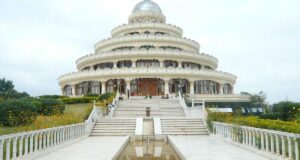
The Advaita Meditation Center typically functions as both a spiritual retreat space and a learning hub. It caters to individuals from diverse backgrounds who are united by a common desire: to understand themselves and the nature of existence more deeply.
A typical day at the center may begin with early morning meditation, followed by silent reflection or mindful activities. Participants often engage in guided sessions that help them anchor their awareness in the present moment. These sessions may include breath awareness, body scanning, or self-inquiry techniques such as asking, “Who am I?”
One of the distinguishing features of the center is its emphasis on silence. Many programs encourage periods of complete silence, allowing participants to disconnect from external noise and connect with their inner being. This silence is not merely the absence of sound but a powerful tool for self-discovery.
The center also offers teachings through lectures or satsangs, where experienced teachers share insights into non-dual philosophy. These sessions often include interactive discussions, enabling participants to clarify doubts and deepen their understanding.
In addition to meditation, some centers incorporate complementary practices such as yoga, mindful walking, and conscious breathing. These activities help integrate awareness into everyday actions, making the experience more holistic.
Accommodation and food arrangements are usually simple yet comfortable, emphasizing a minimalist lifestyle that supports introspection. Meals are often vegetarian and prepared mindfully, aligning with the overall philosophy of conscious living.
Overall, the Advaita Meditation Center provides a structured yet flexible environment where individuals can explore spirituality at their own pace, guided by timeless wisdom and practical techniques.
Location:
The exact location of an Advaita Meditation Center can vary depending on the specific organization or branch you are referring to, as multiple centers around the world operate under this philosophy.
Typically, such centers are located away from crowded urban areas—often in the outskirts of cities, near forests, mountains, or rivers. This natural setting plays a crucial role in enhancing the meditation experience. The calm surroundings, fresh air, and scenic beauty help quiet the mind and create an ideal atmosphere for spiritual practice.
Address:
28 Worcester Lane, Waltham, MA 02451, United States
Contact & Practical Info
When planning a visit to an Advaita Meditation Center, it is essential to have the right practical information to ensure a smooth and enriching experience.
Phone:
+1 (781) 647-0020
Email:
Website:
Practices & Experience You May Find:
At the Advaita Meditation Center, the practices offered go beyond conventional meditation techniques. They are designed to guide individuals toward a direct realization of their true nature, rather than merely providing temporary relaxation.
1. Self-Inquiry (Atma Vichara)
One of the central practices is self-inquiry, often framed around the question, “Who am I?” This method encourages you to turn your attention inward and investigate the source of your thoughts and identity. Instead of seeking answers intellectually, you are guided to experience the awareness behind all mental activity.
2. Silent Meditation
Silent sitting is a core component of daily routines. Participants sit quietly, observing their breath, thoughts, and sensations without judgment. Over time, this practice helps dissolve mental chatter and reveals a deeper sense of stillness.
3. Guided Meditation Sessions
For beginners, guided meditations are provided to help establish focus and understanding. These sessions may include instructions on breath awareness, body scanning, or witnessing thoughts. The guidance gradually reduces as participants become more comfortable with silent practice.
4. Satsang (Spiritual Discourse)
Satsang is an essential part of the experience. It involves listening to teachings from experienced guides and engaging in discussions about non-dual philosophy. These sessions often address common questions and challenges faced during meditation.
5. Mindful Living Practices
The center emphasizes integrating awareness into everyday activities. This includes mindful eating, walking meditation, and conscious communication. Even simple tasks like washing dishes are approached as opportunities for awareness.
6. Silent Retreats
Many centers offer multi-day silent retreats where participants disconnect from external distractions, including phones and social interactions. These retreats provide a deeper immersion into meditation and self-inquiry, often leading to profound insights.
7. Yoga and Breathwork
While the primary focus is on Advaita philosophy, some centers include yoga and pranayama (breathing exercises) to support physical and mental well-being. These practices help prepare the body for extended periods of meditation.
8. One-on-One Guidance
Some centers provide personal guidance sessions with teachers. These interactions can be invaluable for addressing individual challenges and refining your practice.
9. Community Experience
Despite the emphasis on silence, there is a strong sense of community. Sharing the journey with like-minded individuals creates a supportive environment that enhances the overall experience.
10. Digital Detox
Participants are often encouraged to limit or completely avoid digital devices. This break from constant stimulation allows the mind to settle and become more receptive to deeper insights.
Overall, the practices at an Advaita Meditation Center are designed to shift your perspective from identifying with thoughts and emotions to recognizing your true nature as pure awareness.
Why Advaita Meditation Center Is Good For You?
Spending time at an Advaita Meditation Center can have profound benefits that extend beyond the meditation hall and into every aspect of your life.
1. Deep Inner Peace
Unlike temporary relaxation techniques, Advaita meditation aims to uncover a lasting sense of peace. By recognizing your true nature beyond the mind, you experience a calm that is not dependent on external circumstances.
2. Reduced Stress and Anxiety
Regular meditation and self-inquiry help reduce the constant stream of thoughts that often lead to stress and anxiety. By observing thoughts rather than identifying with them, you gain greater emotional stability.
3. Enhanced Self-Awareness
One of the most significant benefits is increased self-awareness. You begin to understand your patterns, reactions, and beliefs more clearly, leading to conscious and intentional living.
4. Freedom from Limiting Beliefs
Advaita teachings challenge deeply ingrained beliefs about identity and reality. This can lead to a sense of freedom from limitations that once seemed unchangeable.
5. Improved Focus and Clarity
Meditation sharpens your ability to concentrate and think clearly. This improved mental clarity can enhance both personal and professional aspects of your life.
6. Emotional Balance
By cultivating awareness, you become less reactive to emotional triggers. This leads to greater resilience and a more balanced approach to life’s challenges.
7. Better Relationships
As you become more aware and less reactive, your interactions with others improve. You are able to listen more deeply and respond with greater compassion and understanding.
8. Spiritual Growth
For those on a spiritual path, the center provides a structured environment to explore deeper questions about existence, purpose, and consciousness.
9. Health Benefits
Meditation has been linked to improved physical health, including better sleep, reduced blood pressure, and enhanced immune function.
10. Sense of Purpose
Through self-inquiry, many individuals gain clarity about their life’s purpose and direction. This can lead to more meaningful and fulfilling experiences.
11. Detachment from Material Stress
The minimalist lifestyle at the center helps you detach from material concerns and focus on what truly matters.
12. Long-Term Transformation
Perhaps the most significant benefit is the potential for lasting transformation. The insights gained at an Advaita Meditation Center can fundamentally change how you perceive yourself and the world.
In essence, the center offers not just a temporary escape but a pathway to a more conscious, peaceful, and fulfilling life.
Final Thoughts:
The Advaita Meditation Center is more than just a place for meditation—it is a gateway to self-discovery and inner transformation. By combining ancient wisdom with practical techniques, it offers a powerful path toward understanding your true nature. Whether you seek peace, clarity, or spiritual growth, the center provides the tools and environment to support your journey. In a world filled with noise and distraction, it stands as a reminder that true fulfillment comes from भीतर की शांति (inner peace) and self-awareness.
FAQs:
Q. What is Advaita meditation?
A. Advaita meditation is a non-dual practice focused on realizing the unity of the self and universal consciousness.
Q. Do I need prior experience to join?
A. No, most centers welcome beginners and provide guidance for all levels.
Q. How long are retreats?
A. Retreats can range from a single day to several weeks, depending on the program.
Q. Is there a fee to attend?
A. Some centers operate on donations, while others charge for accommodation and facilities.
Q. What should I bring?
A. Comfortable clothing, personal essentials, and an open mind are usually sufficient.
Q. Can I stay at the center?
A. Many centers offer residential programs with accommodation and meals.
Q. Is it religious?
A. Advaita meditation is spiritual but not tied to any specific religion.
Q. What benefits can I expect?
A. Benefits include reduced stress, improved focus, emotional balance, and deeper self-awareness.
Q. Are phones allowed?
A. Most centers encourage limited or no phone usage during sessions or retreats.
Q. How do I find a center near me?
A. You can search online or visit spiritual directories to locate the nearest Advaita Meditation Center.